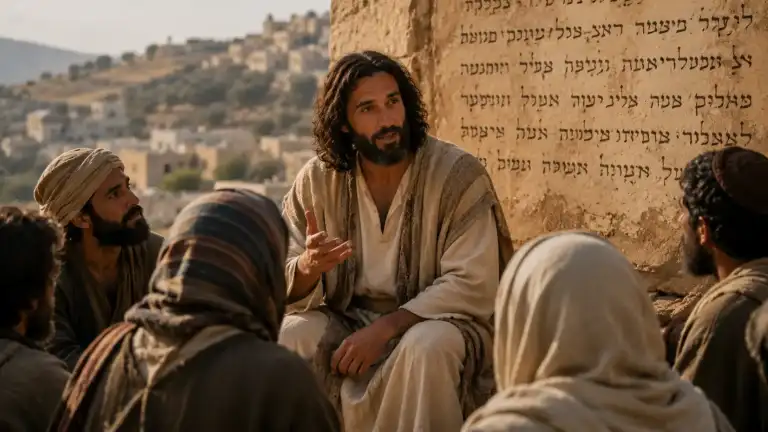
WHAT LANGUAGE DID JESUS CHRIST SPEAK?
Imagine standing in a crowded village in Galilee nearly 2,000 years ago. Jesus is speaking to fishermen, farmers, mothers, children…
One mixed stream of rituals, food, beliefs, everyday life, celebrations, identity and human connection from around the world.
Imagine standing in a crowded village in Galilee nearly 2,000 years ago. Jesus is speaking to fishermen, farmers, mothers, children…
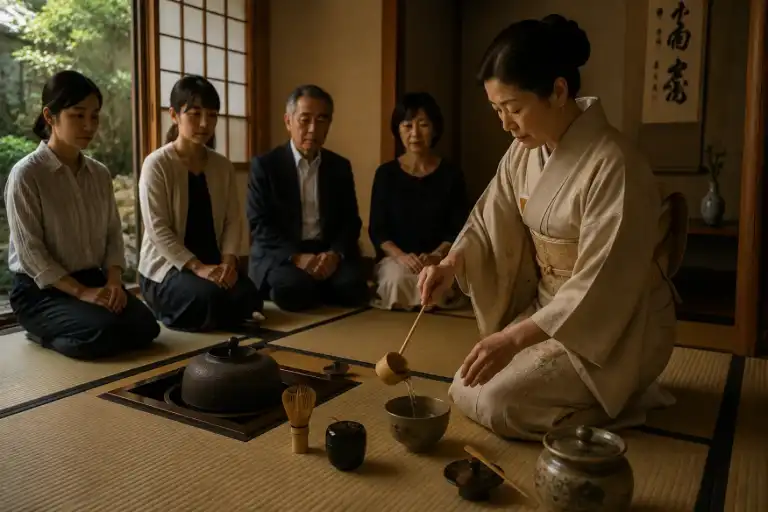
The room is quiet. A host lifts a bamboo ladle, pours hot water into a bowl, whisks powdered green tea,…
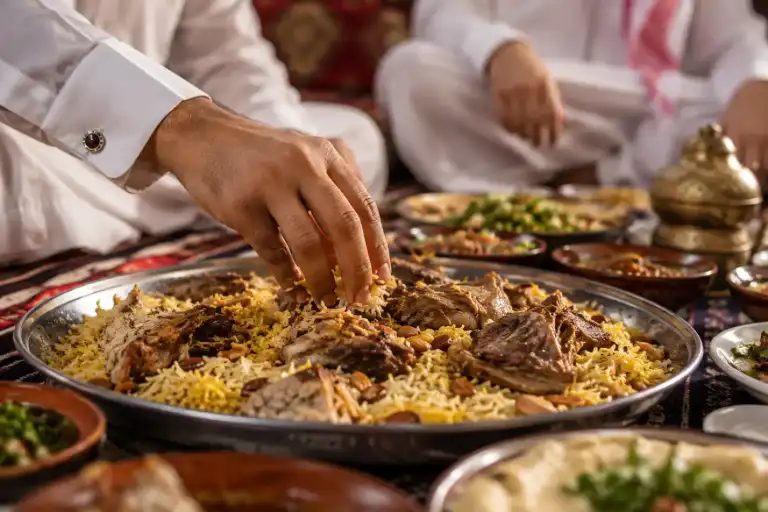
A large platter of rice and meat is placed in the center. People gather around it, and instead of reaching…
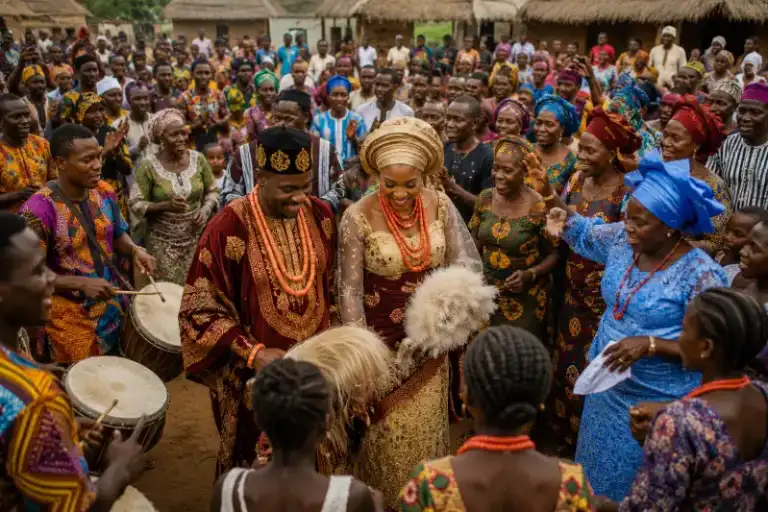
The bride and groom may be standing at the center of the celebration, but look around them. Aunties are cooking.…
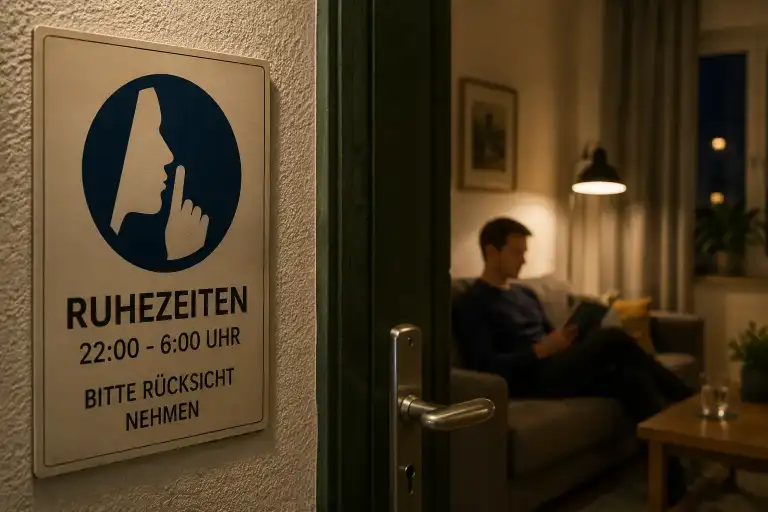
t is 10:05 on a weeknight in a German apartment building. Someone starts drilling into a wall. A door opens…
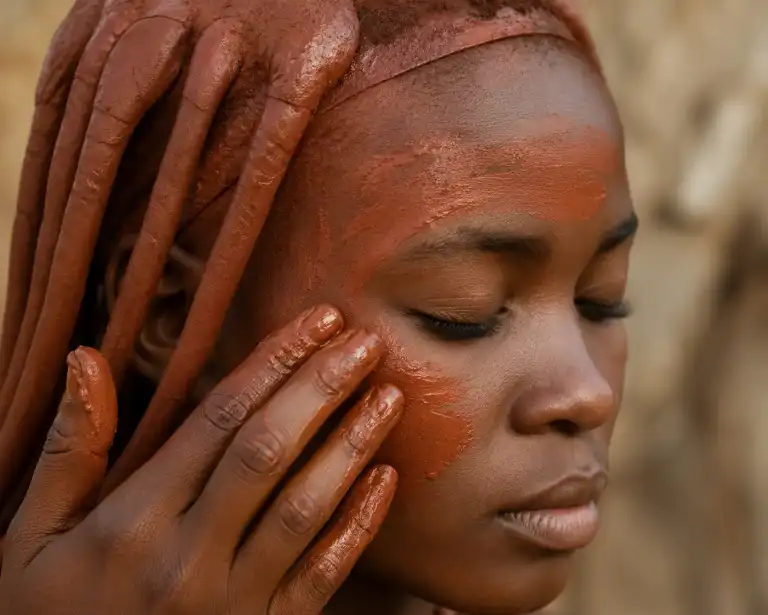
In northern Namibia, a Himba woman grinds a piece of deep red stone into powder. She mixes it with butterfat…
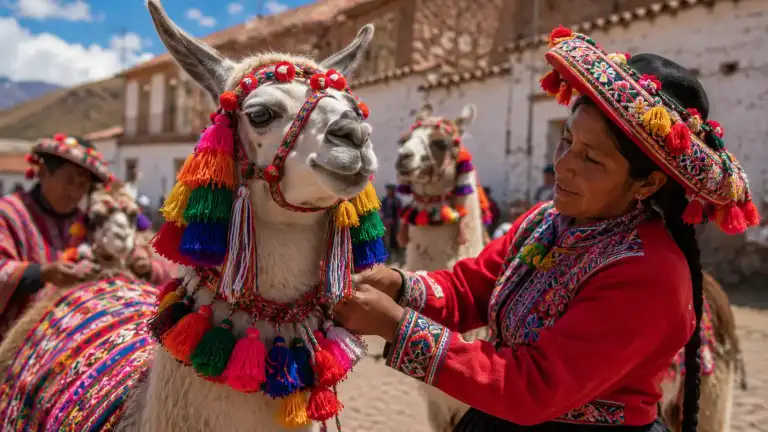
A llama stands in the Peruvian Andes with brilliant red tassels hanging from its ears. Another has pink, yellow and…
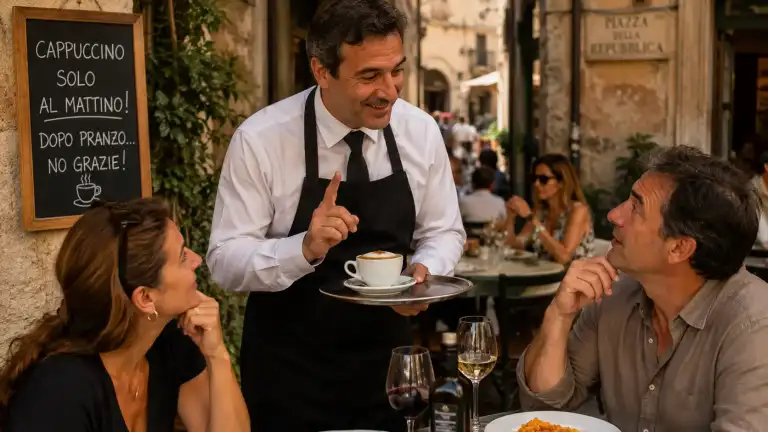
Lunch is over in an Italian restaurant. The plates disappear, and someone asks the table a familiar question: coffee? A…
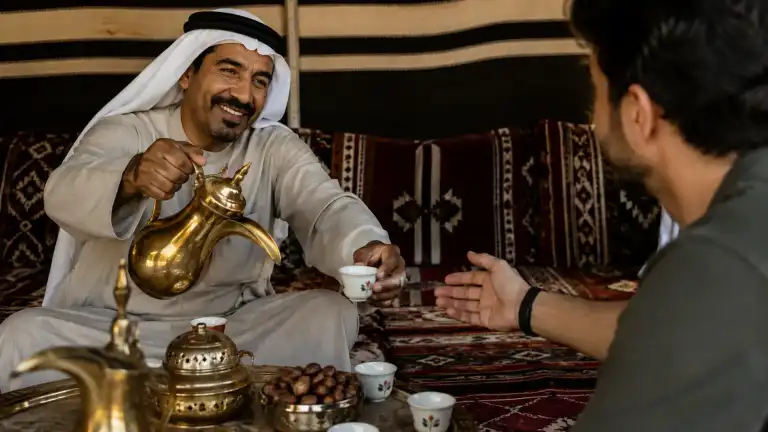
The cup is tiny. The serving is even smaller. You drink the fragrant Arabic coffee, hand the cup back, and…
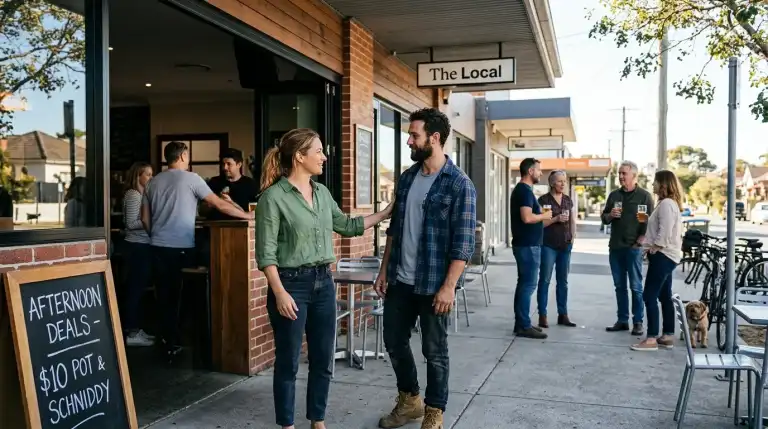
You walk into an Australian café and the person behind the counter says, “How ya going, mate?” A few minutes…
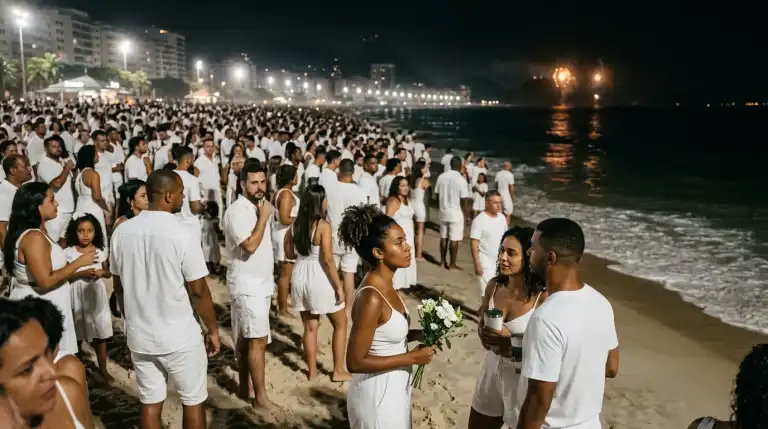
Just before midnight on December 31, Copacabana Beach begins to look almost unreal. Millions of people face the Atlantic beneath…
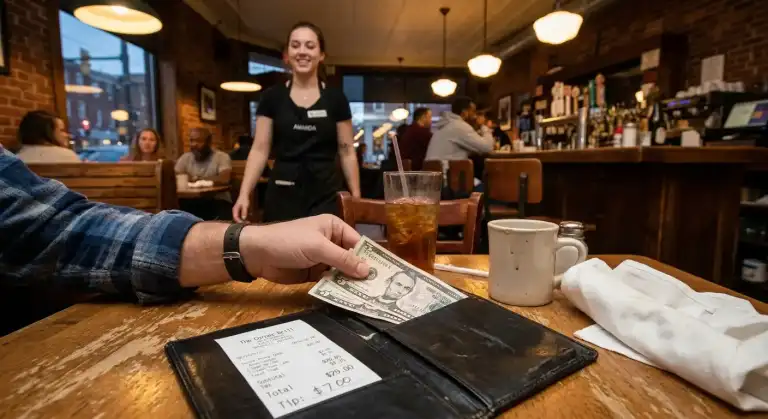
The meal is finished. The bill says $60. But in the United States, that often does not mean you are…
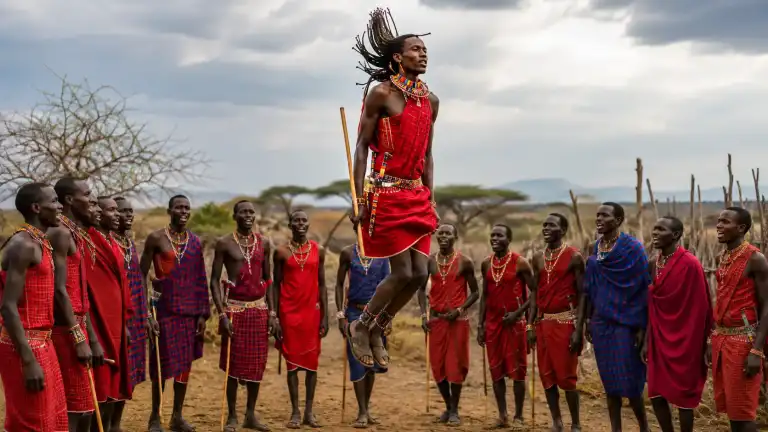
A circle of young Maasai men is singing when one figure suddenly rises above the others. He jumps almost straight…
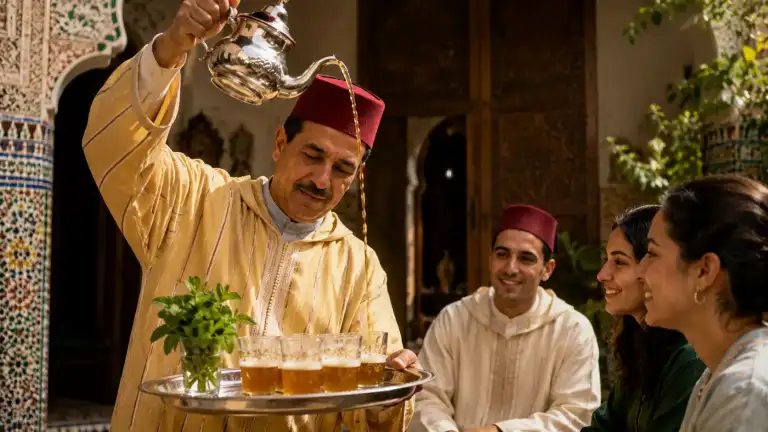
The teapot rises. Twenty centimeters above the glass becomes thirty, then forty. A thin amber stream falls through the air,…