Why Madagascar’s Famadihana Is About Memory, Kinship and Returning to the Family Tomb
In parts of Madagascar, famadihana is a periodic family remembrance tradition centered on ancestors, kinship and the family tomb.
Explore Sub-Saharan Africa, from Ghana and Ethiopia to Kenya, Senegal, Tanzania, Nigeria, Madagascar and South Africa.
This Africa hub focuses on Sub-Saharan Africa. Morocco, Egypt and other Arab countries are grouped under Arab World.
Different countries, different customs, one simple feed built for curiosity.
?In parts of Madagascar, famadihana is a periodic family remembrance tradition centered on ancestors, kinship and the family tomb.
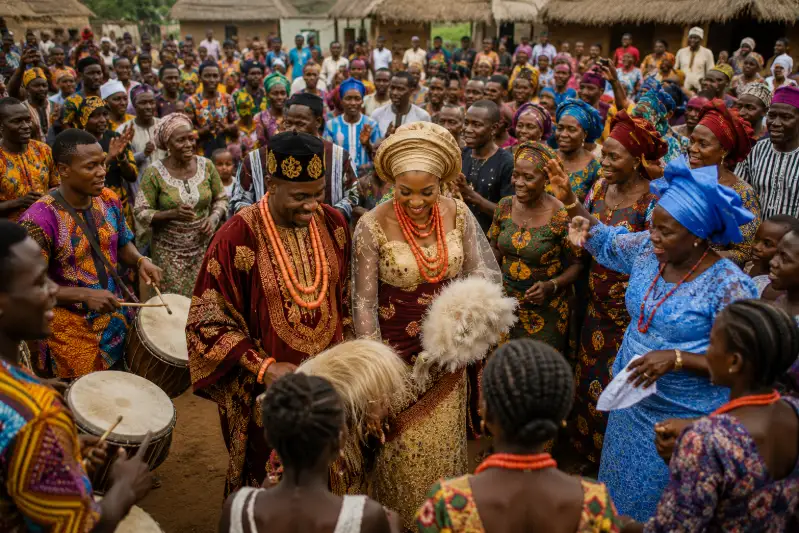
?In many West African communities, a funeral can be a large public gathering where family reputation, music, clothing, faith and community support meet.
?In parts of Ghana, especially among Ga communities, a coffin can become a final piece of storytelling, shaped to suggest a profession, status, aspiration or personal identity.
?Injera functions as bread, base and utensil in many Ethiopian and Eritrean meals, encouraging a style of eating built around shared dishes.
?Ubuntu is often summarized as a philosophy of shared humanity, but its meaning is richer when connected to relationships, obligation and community life in southern Africa.
?An Ethiopian coffee ceremony can turn coffee preparation into extended hospitality, using roasting, aroma, serving and conversation to slow the visit down.