What Día de los Muertos Actually Celebrates
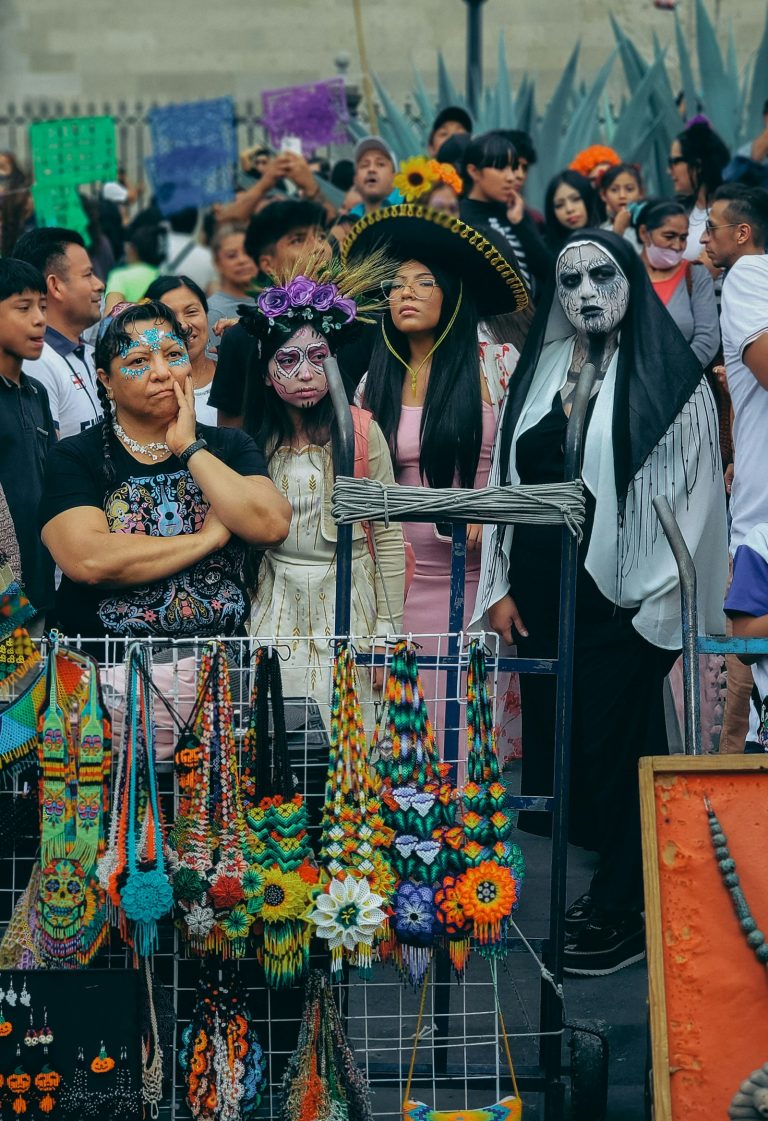
Mexico’s Día de los Muertos centers remembrance of people who have died, using food, flowers, photographs and visits to keep memory present.
?Mexico’s Día de los Muertos centers remembrance of people who have died, using food, flowers, photographs and visits to keep memory present.
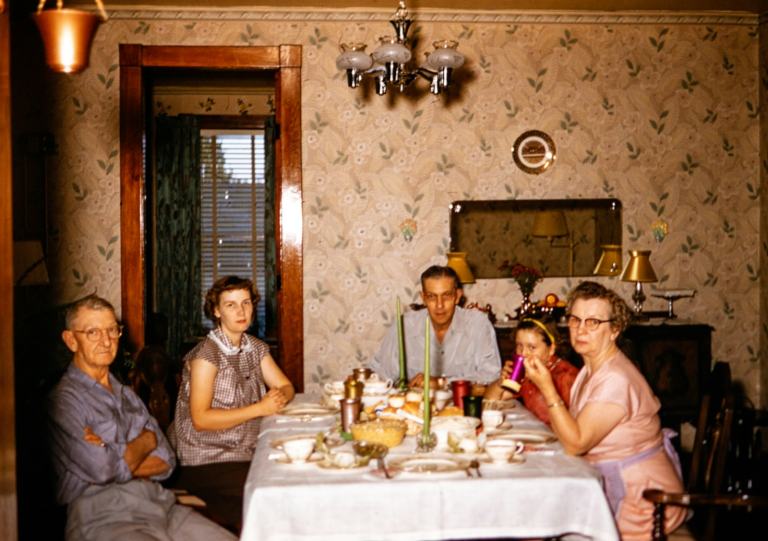 ?
?Across many Mexican meals, tortillas are a staple, utensil, wrapper and regional food tradition all at once.
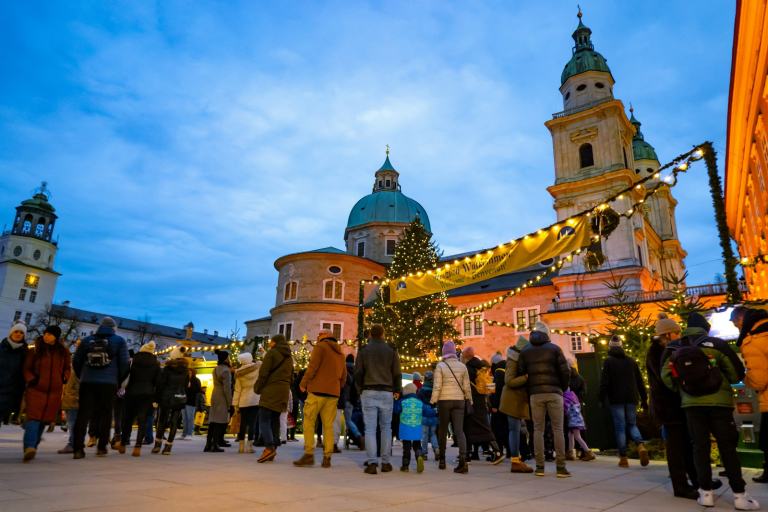 ?
?Italian aperitivo is not simply a discount drink hour; it is a social pause between work and dinner built around conversation and small bites.
 ?
?The passeggiata is an evening walk that can turn a street or town square into a social stage where people meet, observe and reconnect.
?Late dinner times in Spain make more sense when seen alongside work schedules, long summer evenings, lunch traditions and the rhythm of social life.
?In Finland, sauna can be a routine part of home life, relaxation and social connection rather than an occasional luxury spa treatment.
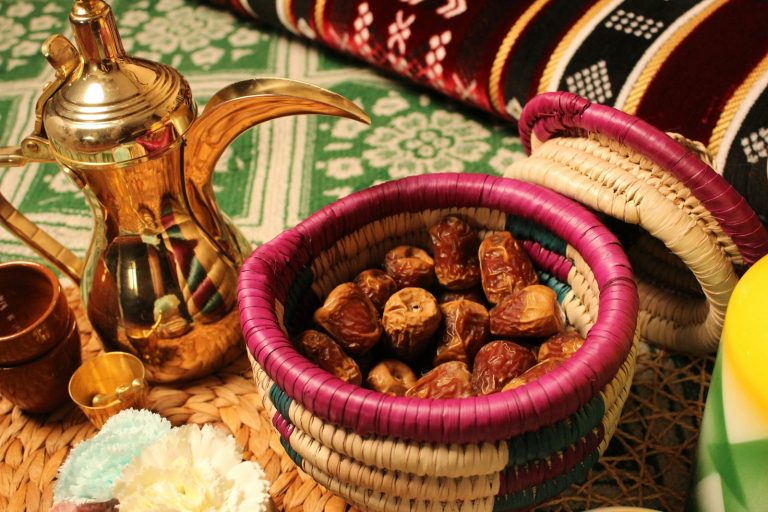 ?
?An Ethiopian coffee ceremony can turn coffee preparation into extended hospitality, using roasting, aroma, serving and conversation to slow the visit down.
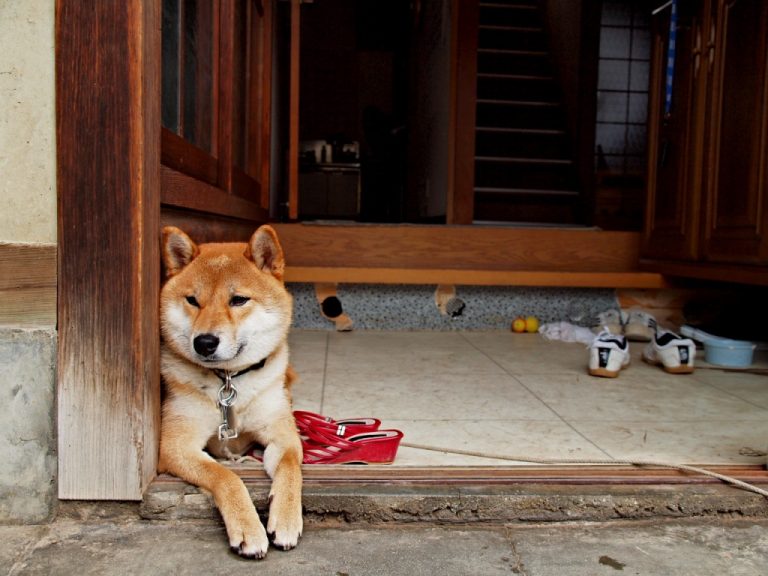 ?
?The entryway of a Japanese home is more than a place to leave shoes; it marks a practical and social boundary between outside and inside.
 ?
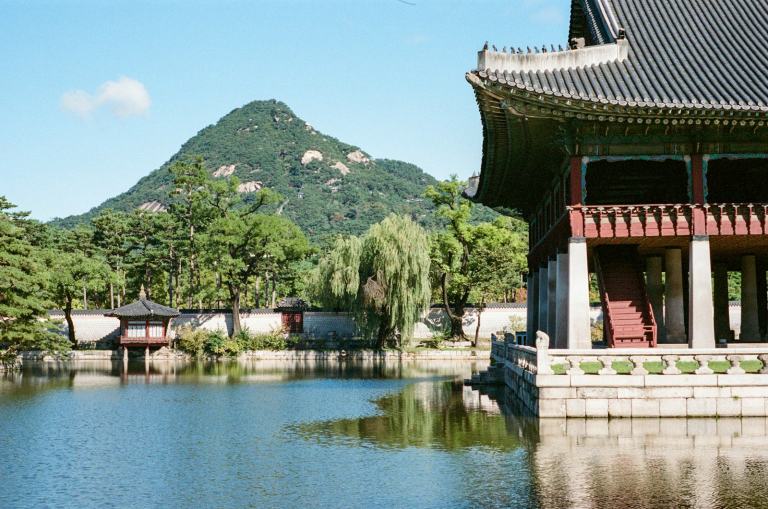
?Bowing in Japan can express greeting, thanks, apology, respect or formality, and the meaning depends on the relationship and setting.
 ?
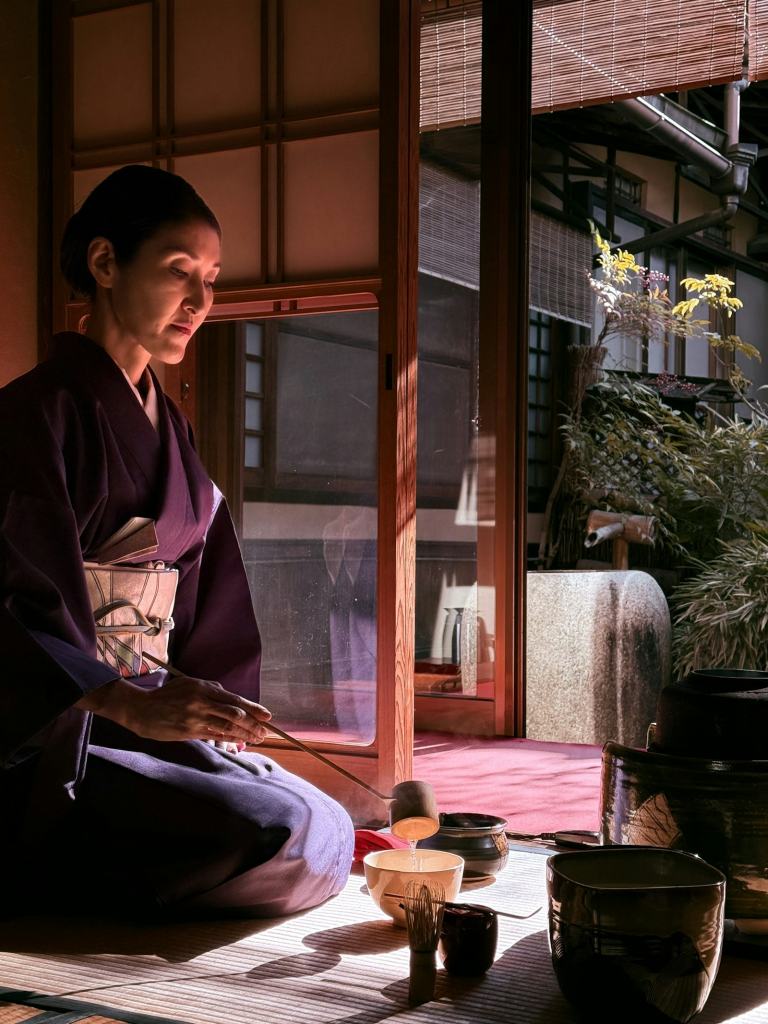
?Japanese tea ceremony turns the preparation of matcha into a carefully structured encounter shaped by attention, season and hospitality.