Why Romania’s Merry Cemetery Uses Color and Humor to Remember the Dead
In the village of Săpânța, brightly painted grave markers are known for short stories, images and sometimes humor about the lives of the people buried there.
?In the village of Săpânța, brightly painted grave markers are known for short stories, images and sometimes humor about the lives of the people buried there.
 ?
?In parts of Ghana, especially among Ga communities, a coffin can become a final piece of storytelling, shaped to suggest a profession, status, aspiration or personal identity.
?Injera functions as bread, base and utensil in many Ethiopian and Eritrean meals, encouraging a style of eating built around shared dishes.
?Ubuntu is often summarized as a philosophy of shared humanity, but its meaning is richer when connected to relationships, obligation and community life in southern Africa.
 ?
?Mate is both a caffeinated infusion and a social routine, often passed between people from a shared gourd according to an informal rhythm.
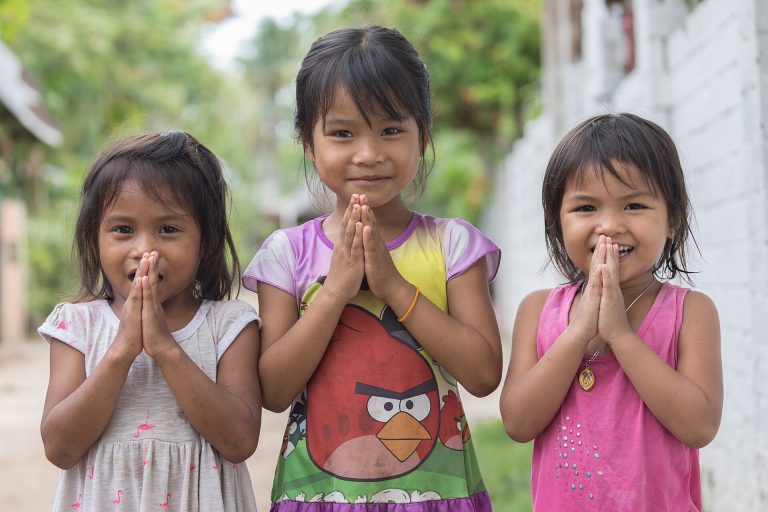 ?
?The Thai wai combines palms and a bow-like movement, but its use depends on age, status, setting and the relationship between people.
 ?
?A Vietnamese family meal often places several dishes in the middle of the table, turning dinner into a shared combination of rice, vegetables, proteins and soup.
 ?
?Indonesian batik is a textile-making tradition in which technique, motif, place and occasion can all carry meaning beyond visual decoration.
 ?
?An Ethiopian coffee ceremony can turn coffee preparation into extended hospitality, using roasting, aroma, serving and conversation to slow the visit down.
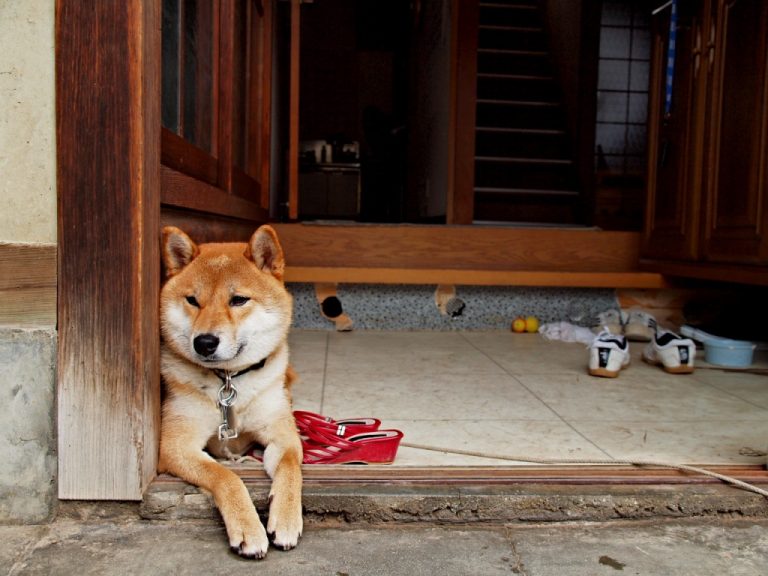 ?
?The entryway of a Japanese home is more than a place to leave shoes; it marks a practical and social boundary between outside and inside.