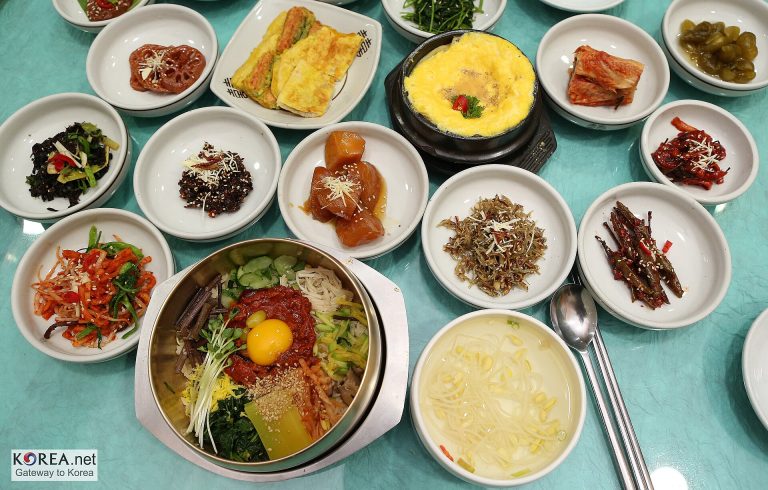
Why Korean Meals Arrive With So Many Side Dishes
A Korean table often places several banchan around a shared meal, creating variety and turning eating into a communal rhythm.
?A Korean table often places several banchan around a shared meal, creating variety and turning eating into a communal rhythm.
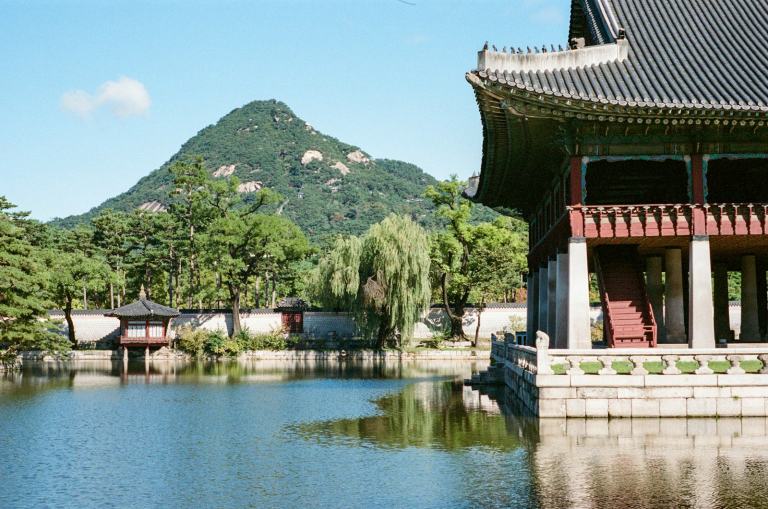 ?
?In Korean social life, age and seniority can influence language, seating, serving and the way people introduce themselves.
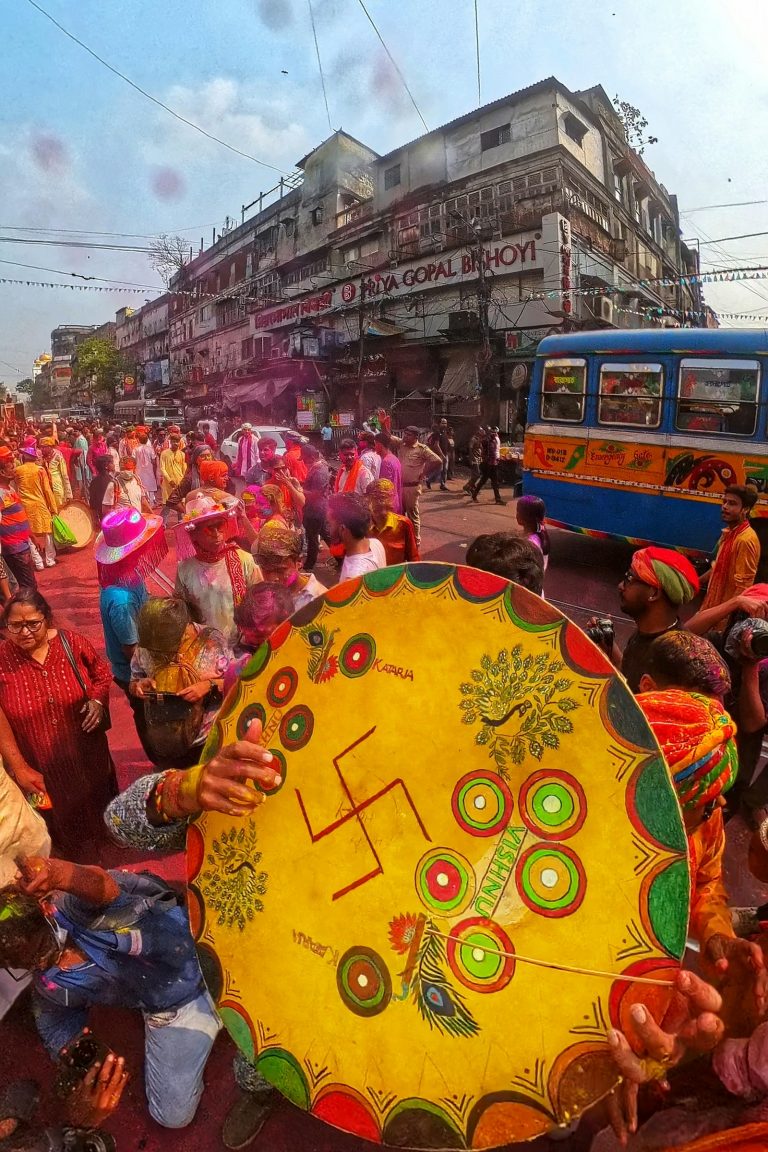 ?
?Holi is famous for clouds of color, but the festival has regional, religious and social meanings that extend far beyond the most photographed moment.
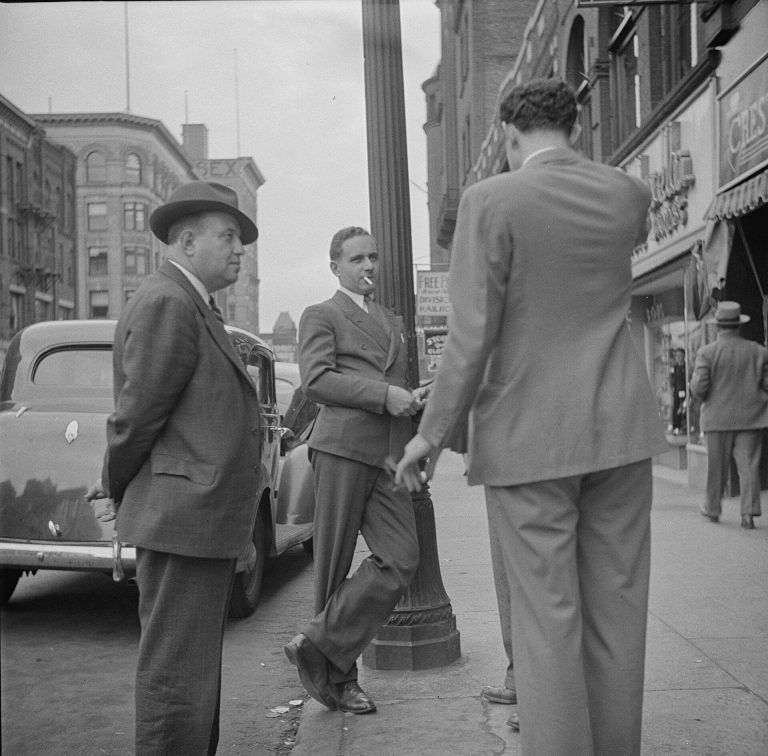 ?
?A quick comment about the weather, the line you are standing in, or the place you are visiting can function as a tiny social bridge in the United States.
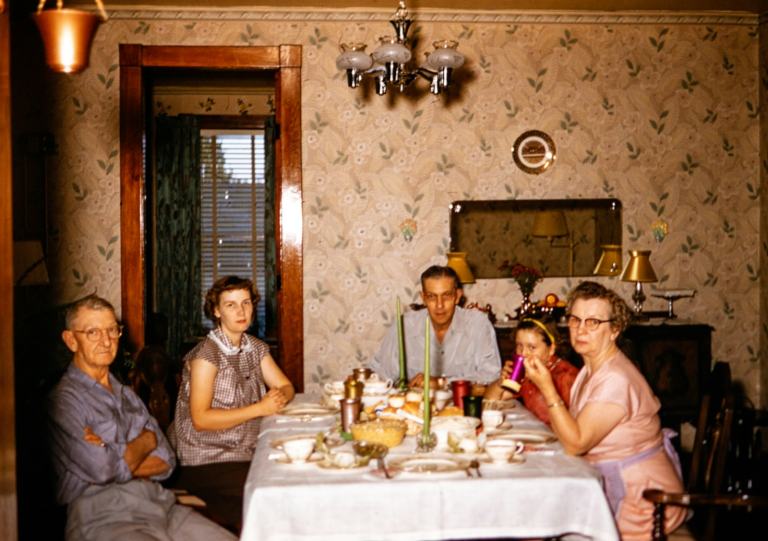 ?
?In many Canadian homes, outdoor shoes stop at the entrance, a habit shaped by weather, cleanliness and household expectations.
?A quinceañera can bring together family, faith, fashion, music and a public transition into a new stage of life.
 ?
?A weekend meal can become a long social event when the point is not only eating, but staying together.
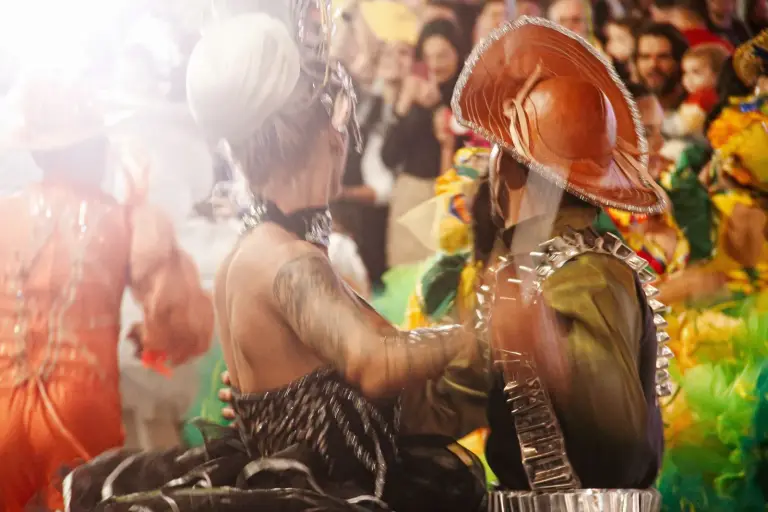
?“Brazilian Carnival” is not one single celebration: cities and regions build very different traditions around music, neighborhood, religion and performance.
?When conversation, food and extended family are central to a gathering, the clock may feel less important than the people in the room.
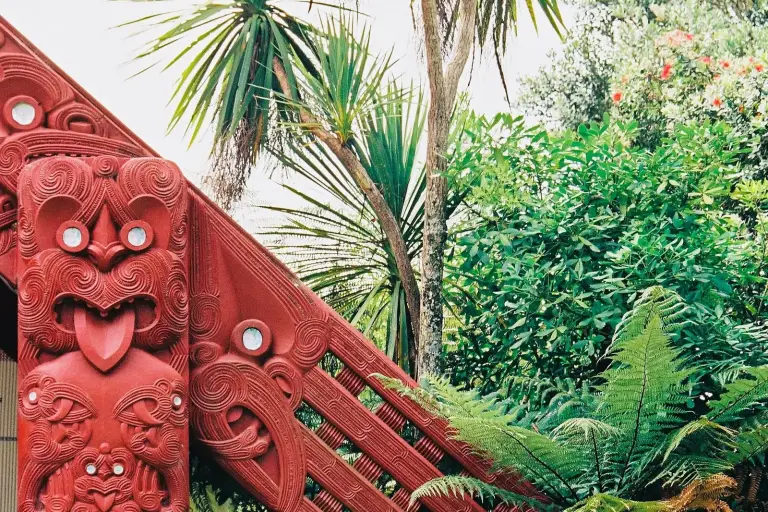 ?
?The hongi can express connection and shared presence in Māori ceremonial contexts, but it is not a casual gesture for visitors to copy without invitation.