Memorial Urn Traditions can look surprising from the outside, but its meaning becomes clearer when history, place and everyday social rules are considered together. This guide explains memorial urn traditions with context rather than stereotypes.
Memorial Urn Traditions: meaning and cultural context
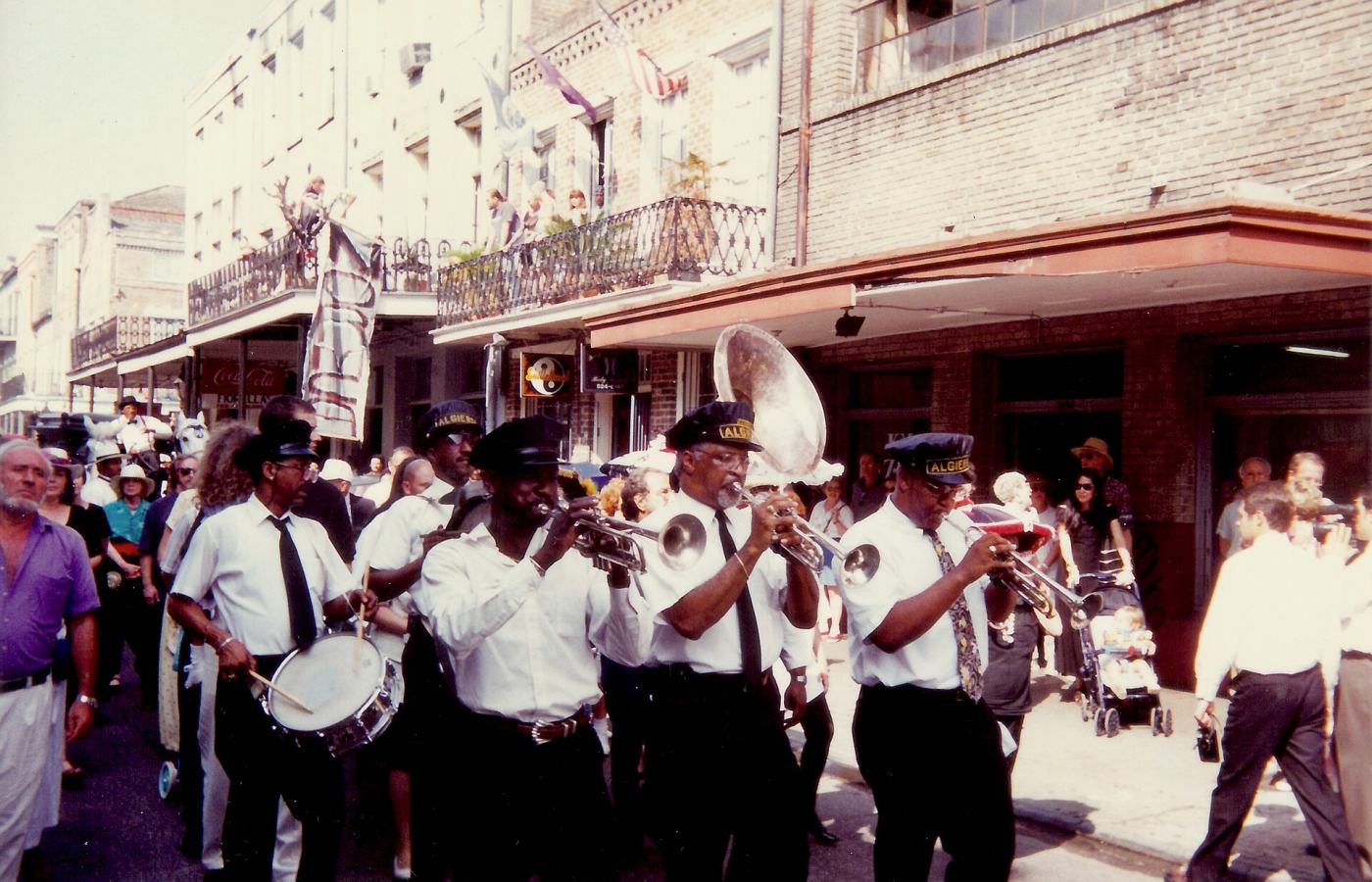
In New Orleans, the jazz funeral tradition is associated with processions that can move from solemn remembrance toward more energetic music after the farewell.
- Funeral and memorial customs vary by family, religion, region and generation.
- This article describes cultural ideas respectfully and avoids intrusive or graphic detail.
- When visiting a ceremony or memorial place, follow local guidance rather than treating a living tradition as a spectacle.
The custom that makes people stop and ask why
Jazz funerals developed within African American community, church and mutual-aid traditions in New Orleans. They are not the standard format for every funeral in the city, but they became one of its best-known cultural forms. What can look surprising from outside becomes easier to understand when the custom is placed beside family obligations, local history and beliefs about what a respectful farewell should accomplish.
Death rituals are especially easy to stereotype because visitors often see only one dramatic image: a brightly shaped coffin, a line of urns, a procession, a river, a cemetery gathering or an ancient tomb. That image may be real, but it is only one frame. The more useful question is what people participating in the ritual believe they are doing for the person who died, for the family and for the wider community.
What the ritual is trying to communicate
The change in musical mood expresses a movement through grief rather than pretending grief is absent. The procession makes mourning visible and communal. In many cultures, farewell rituals do several jobs at once. They mark a change in social relationships, create a shared period for grief, bring relatives back together and place an individual life inside a larger story about ancestors, religion or place.
This is why the same practical action can carry very different meanings. Fire can symbolize transition in one setting and be unacceptable in another. A grave can be a private family place, a public historical monument or part of a landscape visited regularly. An urn can be temporary, permanent, buried, displayed in a memorial structure or used during a later ceremony.
Objects, food and places can become part of the farewell
Brass bands, walking processions, handkerchiefs and neighborhood streets are central visual elements of the tradition. These details are not decorative extras. Objects can carry biography, social status, religious symbolism or a sense of provision and continuity. Food can feed visitors, represent hospitality or act as an offering in traditions where ancestors remain part of family memory.
Place matters just as much. A family tomb, river, churchyard, forest cemetery, marae, mosque, village street or stretch of coast can turn geography into memory. Returning to the same place later allows remembrance to continue long after the formal funeral has ended.
Why one country never has only one funeral tradition
North America contains differences of religion, ethnicity, class, region, city and generation. Even neighbors may make different choices. Some families follow inherited ceremony closely; others simplify it, combine traditions or choose a modern alternative.
That variation is important for Daily World Culture. A cultural practice can be common or historically significant without being universal. Good cultural writing describes where a custom appears, who participates and how it changes, rather than presenting an entire population as if everyone follows one rule.
How modern life is changing the ritual
Tourism and popular imagery have made second-line culture globally recognizable, but community organizations continue to distinguish authentic social traditions from staged entertainment. Funeral culture changes because people move, cities grow, laws change and families live farther apart. New technology also affects remembrance through livestreamed services, digital memorial pages and family groups that coordinate travel or condolences online.
Environmental concerns are another major influence. Questions about cemetery land, materials, smoke, water, transport and conservation have encouraged new forms of green burial, electric cremation, biodegradable urns and memorial forests. These innovations do not automatically replace tradition; they often become part of a negotiation between inherited values and present-day realities.
What outsiders most often misunderstand
The biggest mistake is assuming that a ritual which looks colorful, musical, expensive, quiet, public or unusual must reveal how intensely people feel grief. Cultures give grief different public shapes. Some encourage visible emotion; others value restraint. Some surround the family with visitors; others create privacy. Some use music or storytelling because remembering a full life is part of mourning.
Another mistake is using words such as “weird” as the entire explanation. Curiosity is useful when it opens a door, but context is what makes the story worth reading. The point is not that people elsewhere behave strangely. The point is that humans build different systems for the same universal experiences.
How to approach funeral culture respectfully
If you encounter a funeral, cemetery, memorial or religious ritual while traveling, observation should never come before respect. Do not assume photography is welcome. Follow signs and local hosts, keep distance from private family moments and remember that a place promoted online as a cultural attraction may still be an active sacred or memorial space.
When writing or sharing a story, use photographs that explain architecture, objects, landscapes, public processions or cultural context without turning grief into spectacle. That editorial rule is built into this section of Daily World Culture as well: thumbnails should illustrate the title precisely while remaining dignified.
Questions readers usually ask
Is this practice followed by everyone in the region?
No. Funeral customs often vary more than travel articles suggest. Religion, family preference, urban or rural setting, law and generation can all change what happens.
Does “traditional” mean the custom has never changed?
No. Traditions survive partly because people adapt them. A ceremony may keep its central meaning while changing location, length, materials, language or cost.
Why do food and household objects appear in some burial traditions?
Depending on the culture and historical period, they can represent provision, memory, hospitality, status, religious belief or a relationship with ancestors. Archaeologists interpret them using the full burial context rather than one object alone.
Why do some cultures bury while others cremate?
The choice is shaped by religious ideas, local history, law, land, environment and family tradition. There is no single worldwide progression from one method to another.
Sources and cultural context
This explainer is designed as an editable WordPress article. Its starting context draws on New Orleans cultural-history sources and National Park Service materials. When expanding it, prioritize museums, universities, official heritage organizations, community sources and specialists from the culture being discussed.
The larger idea
Funeral customs reveal something that ordinary travel photography often misses: culture is not only visible in food, clothing and festivals. It also appears in the hardest moments, when people decide what must be remembered, what should return to nature, what belongs with ancestors and what a community owes to a grieving family. Looking at those choices carefully can make the world feel more different at first, and more recognizably human by the end.
Further cultural context
To keep memorial urn traditions in perspective, explore related Daily World Culture stories and UNESCO Intangible Cultural Heritage. Strong cultural research compares sources, regions and generations instead of treating one memorable detail as universal.