
Why Burial Is Usually Preferred Over Cremation in Muslim Arab Communities
Across many Muslim Arab societies, burial is preferred and funerals often emphasize simplicity, prayer, community responsibility and respect for the deceased.
Burial, cremation, memorials, ashes, grave offerings and the ways cultures remember the dead.
?Across many Muslim Arab societies, burial is preferred and funerals often emphasize simplicity, prayer, community responsibility and respect for the deceased.
 ?
?In parts of the Gulf, condolence gatherings can combine religious remembrance with a highly organized culture of receiving relatives, neighbors and community members.
?Across the world, farewell rituals use earth, fire, water, objects, food, music, architecture and memory to answer the same human problem in radically different ways.
 ?
?Natural or green burial aims to reduce materials and preserve a closer relationship between burial ground, soil and landscape.
 ?
?Across the Andes, archaeology shows that some societies preserved the dead and created powerful relationships between ancestors, landscape and community memory.
?Archaeological burials across parts of South America contain vessels, textiles, food offerings and personal objects that reveal ideas about status, memory and the afterlife.
?In parts of the Andes, cemetery visits can involve food, flowers, music and long family gatherings that keep remembrance connected to ordinary social life.
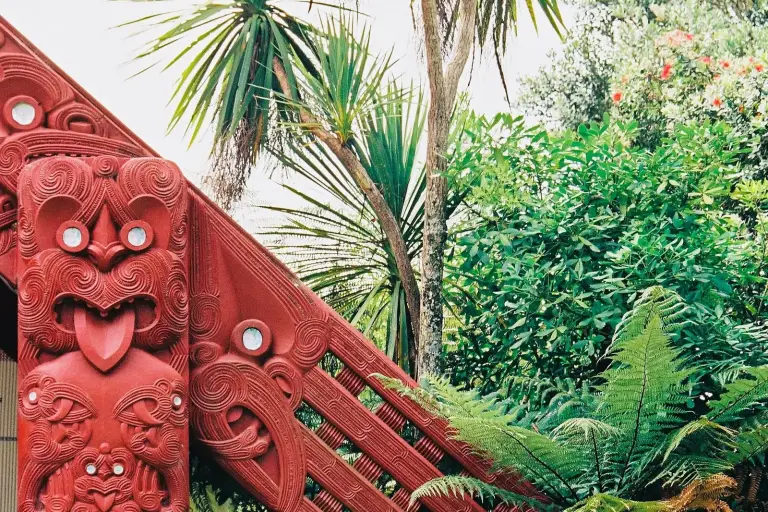 ?
?Tangihanga, or tangi, is an enduring Māori ceremony of mourning in which family, genealogy, speech, song and collective presence are central.
?Across parts of the Pacific, food, exchange and large family gatherings can become major parts of mourning and remembrance.
 ?
?In parts of Madagascar, famadihana is a periodic family remembrance tradition centered on ancestors, kinship and the family tomb.