
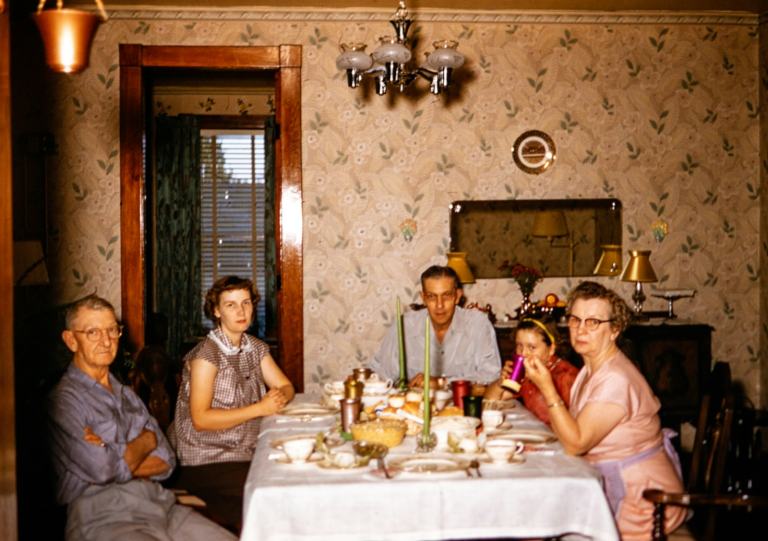
Why Burial Is Usually Preferred Over Cremation in Muslim Arab Communities
Across many Muslim Arab societies, burial is preferred and funerals often emphasize simplicity, prayer, community responsibility and respect for the deceased.
?Across many Muslim Arab societies, burial is preferred and funerals often emphasize simplicity, prayer, community responsibility and respect for the deceased.
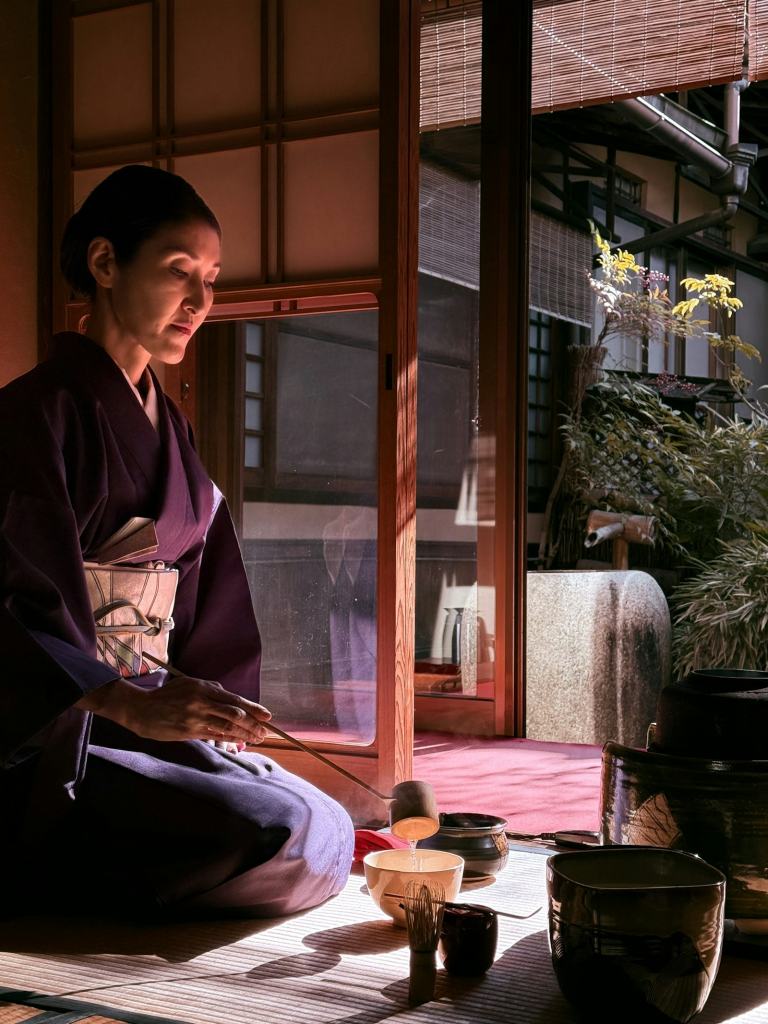 ?
?In parts of the Gulf, condolence gatherings can combine religious remembrance with a highly organized culture of receiving relatives, neighbors and community members.
?Across the world, farewell rituals use earth, fire, water, objects, food, music, architecture and memory to answer the same human problem in radically different ways.
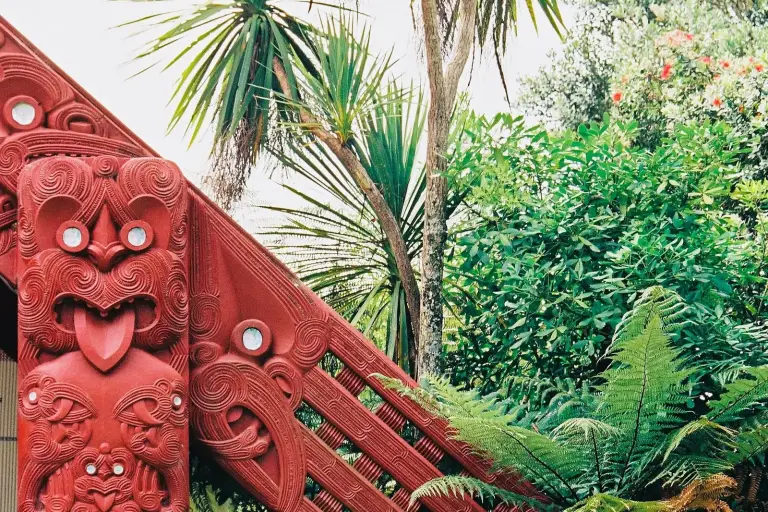 ?
?Tangihanga, or tangi, is an enduring Māori ceremony of mourning in which family, genealogy, speech, song and collective presence are central.
?Across parts of the Pacific, food, exchange and large family gatherings can become major parts of mourning and remembrance.
 ?
?In parts of Madagascar, famadihana is a periodic family remembrance tradition centered on ancestors, kinship and the family tomb.
?Across island societies and coastal communities, the sea can hold deep meanings of ancestry, livelihood, travel and remembrance.
 ?
?In many West African communities, a funeral can be a large public gathering where family reputation, music, clothing, faith and community support meet.
 ?
?Ancient Egyptian funerary culture linked preservation, tombs and grave goods to a powerful idea: death was a transition that required preparation.
?Most funerals in contemporary Japan involve cremation, followed by a carefully structured family process for placing the cremated remains in an urn.