
Why Green Burial Is Bringing Funeral Traditions Back to the Landscape
Natural or green burial aims to reduce materials and preserve a closer relationship between burial ground, soil and landscape.
Traditions, food rituals, etiquette, celebrations and the details that make ordinary life fascinating.
?Natural or green burial aims to reduce materials and preserve a closer relationship between burial ground, soil and landscape.
?For some families in North America, water becomes the memorial place: cremated remains may be scattered at sea or in another meaningful natural setting where law allows.
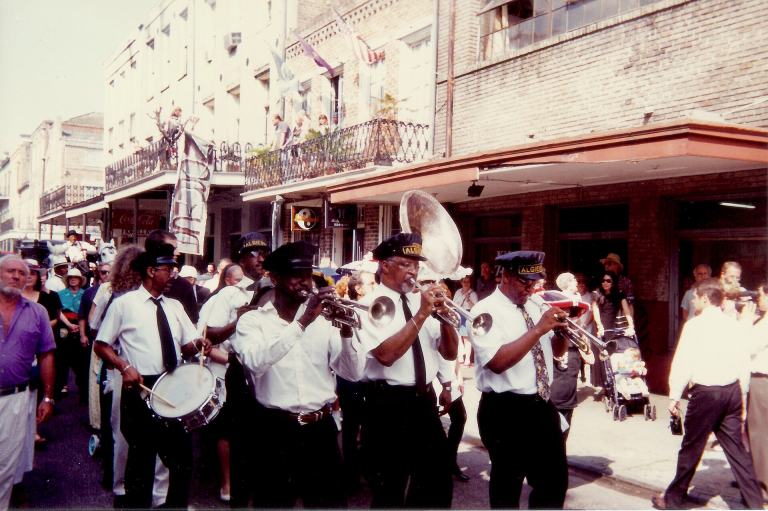 ?
?In New Orleans, the jazz funeral tradition is associated with processions that can move from solemn remembrance toward more energetic music after the farewell.
 ?
?In the village of Săpânța, brightly painted grave markers are known for short stories, images and sometimes humor about the lives of the people buried there.
 ?
?Some European churches and cemetery complexes include ossuaries, places created to hold older human remains when burial space was limited.
?Across much of Europe, cremation moved from a minority practice to an ordinary choice, creating new traditions around urns, memorial gardens and family remembrance.
 ?
?Among Toraja communities in South Sulawesi, a major funeral can require long preparation because family, status, ritual exchange and community gathering are deeply connected.
 ?
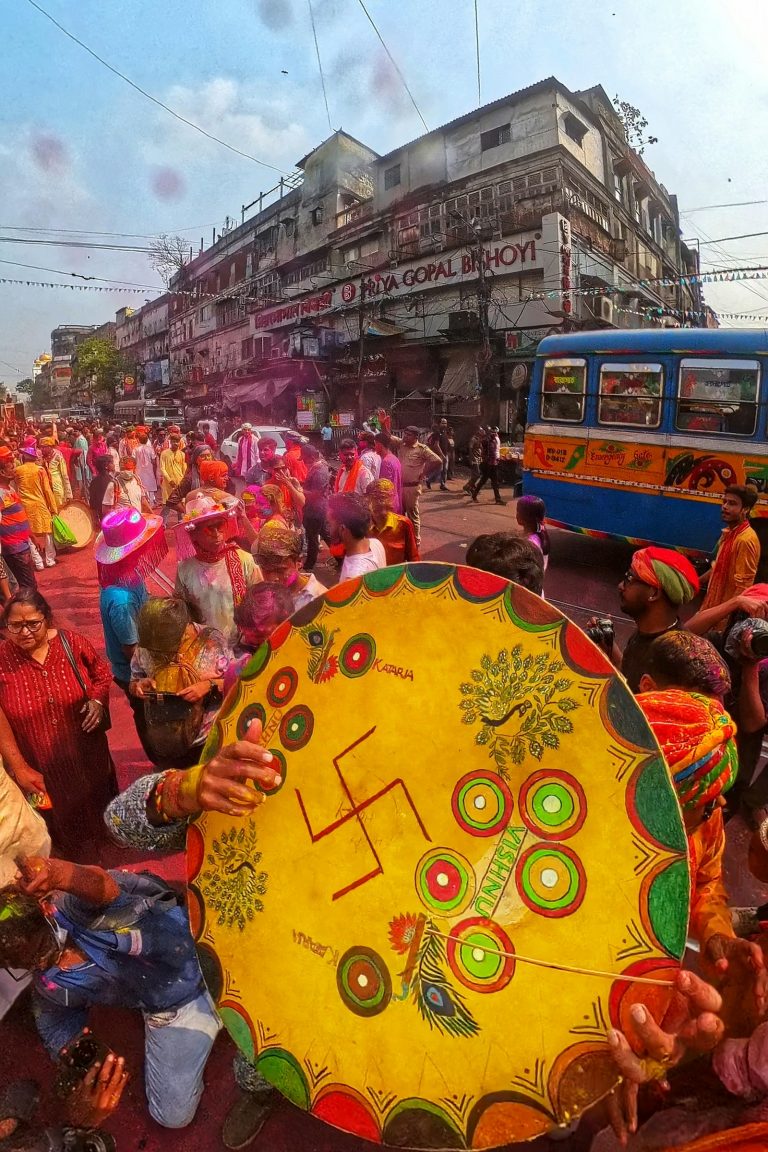
?Across many Hindu communities, cremation is understood through ideas about the body, the soul, duty and transition, while ashes may later be placed in sacred water.
 ?
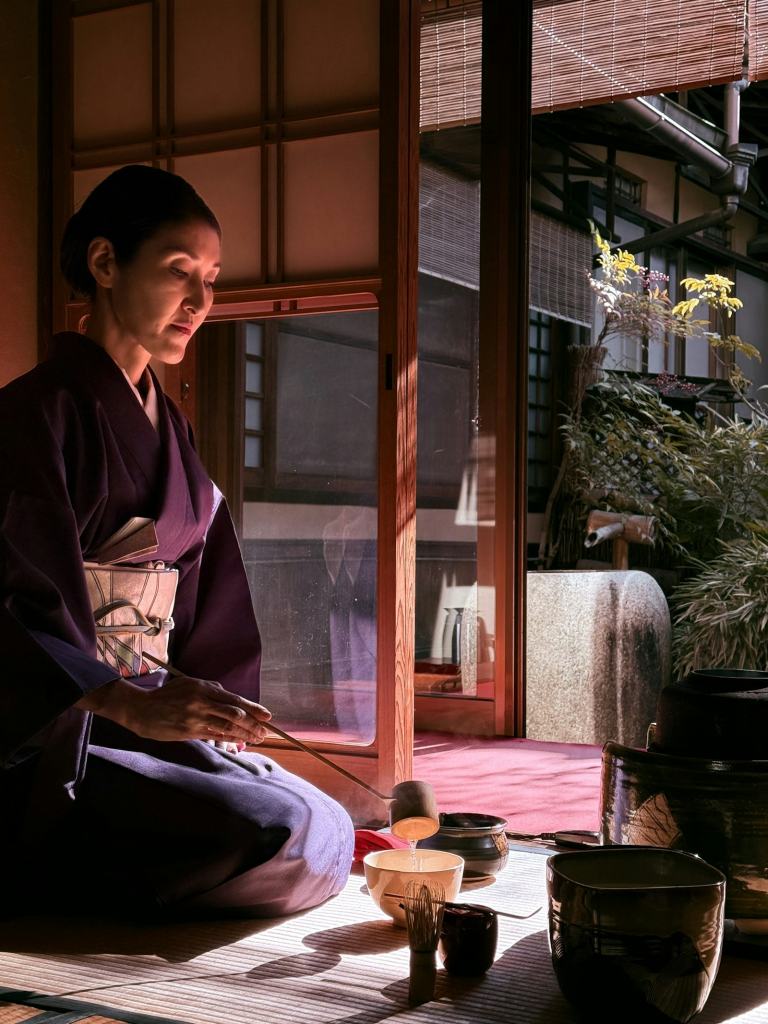
?Most funerals in contemporary Japan involve cremation, followed by a carefully structured family process for placing the cremated remains in an urn.
 ?
?In many West African communities, a funeral can be a large public gathering where family reputation, music, clothing, faith and community support meet.