
Why Cremation Is So Common in Japan, and Why the Urn Matters
Most funerals in contemporary Japan involve cremation, followed by a carefully structured family process for placing the cremated remains in an urn.
Etiquette, meals, celebrations and everyday habits that quietly rewrite what “normal” means.
No country maze. Just stories from across the continent.
Different countries, different customs, one simple feed built for curiosity.
?Most funerals in contemporary Japan involve cremation, followed by a carefully structured family process for placing the cremated remains in an urn.
 ?
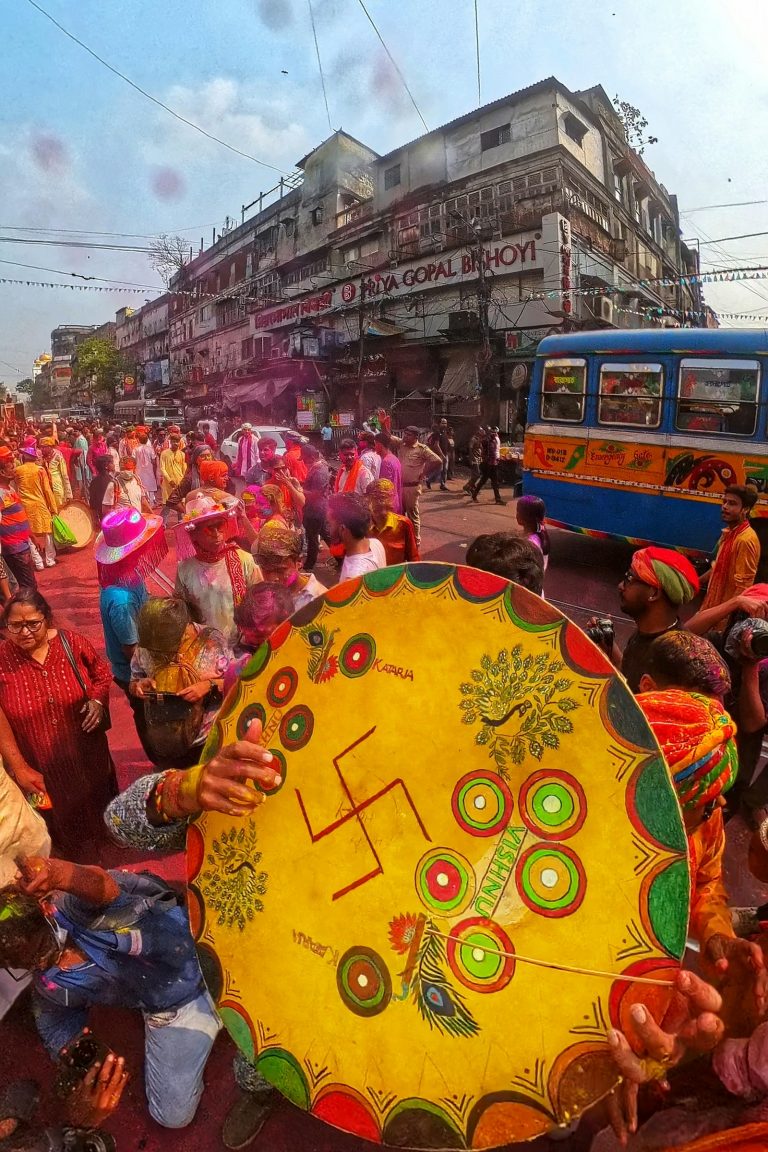
?Across many Hindu communities, cremation is understood through ideas about the body, the soul, duty and transition, while ashes may later be placed in sacred water.
 ?
?Among Toraja communities in South Sulawesi, a major funeral can require long preparation because family, status, ritual exchange and community gathering are deeply connected.
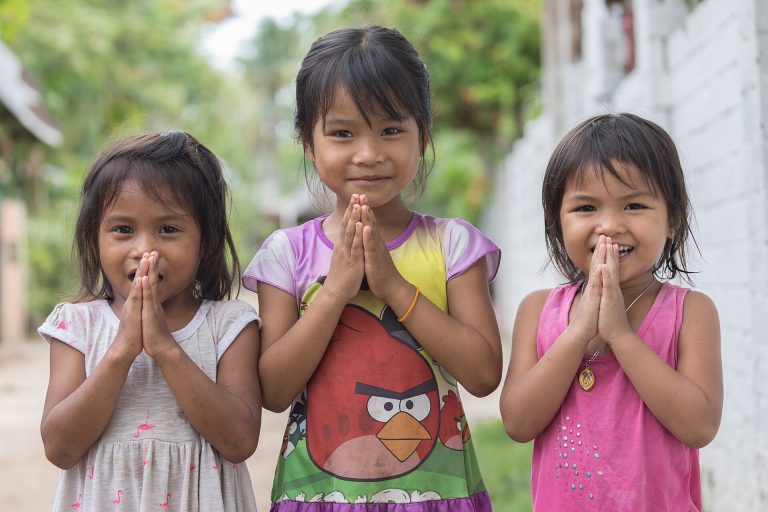 ?
?The Thai wai combines palms and a bow-like movement, but its use depends on age, status, setting and the relationship between people.
?A Vietnamese family meal often places several dishes in the middle of the table, turning dinner into a shared combination of rice, vegetables, proteins and soup.
?Indonesian batik is a textile-making tradition in which technique, motif, place and occasion can all carry meaning beyond visual decoration.
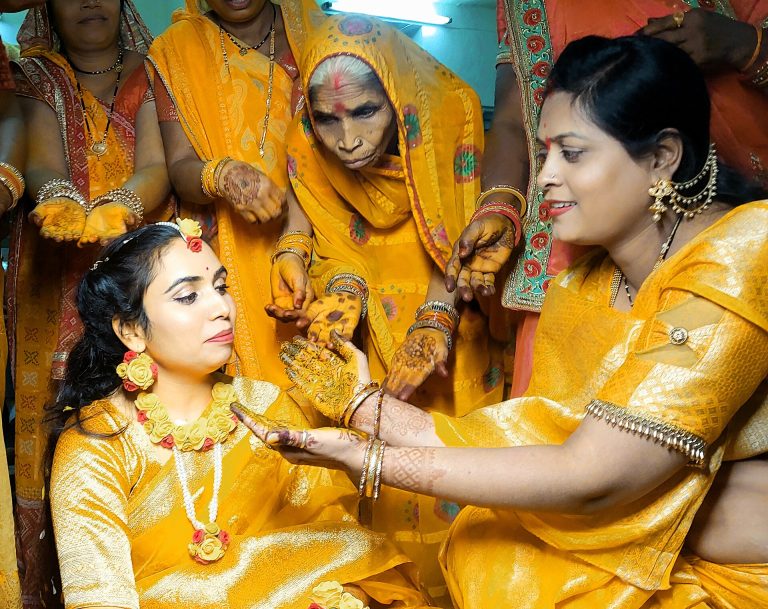 ?
?Many Indian weddings unfold through several ceremonies because marriage joins families, religious traditions and regional customs rather than only two individuals.
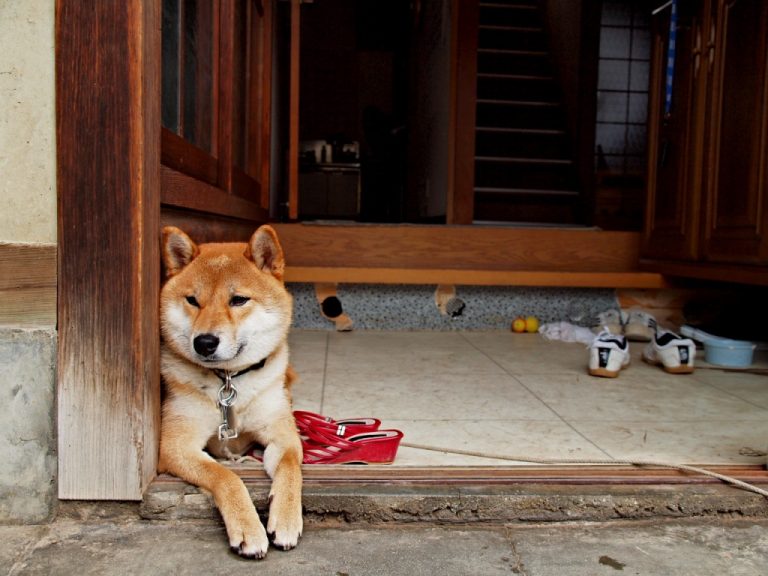 ?
?The entryway of a Japanese home is more than a place to leave shoes; it marks a practical and social boundary between outside and inside.
?Bowing in Japan can express greeting, thanks, apology, respect or formality, and the meaning depends on the relationship and setting.
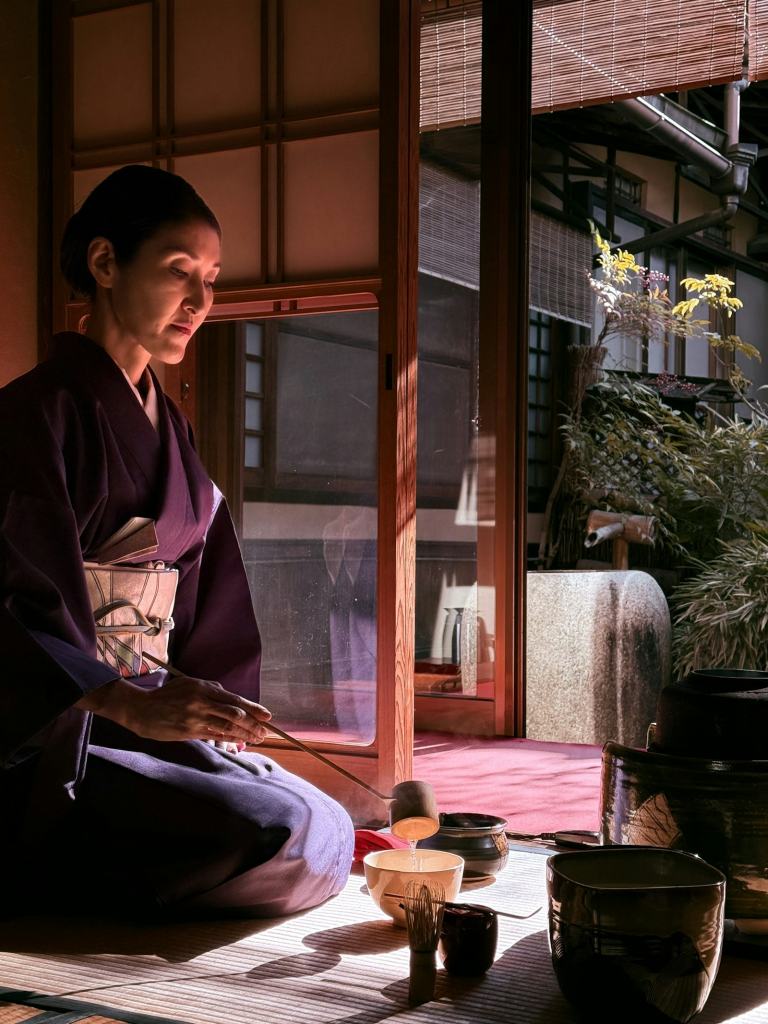
?Japanese tea ceremony turns the preparation of matcha into a carefully structured encounter shaped by attention, season and hospitality.
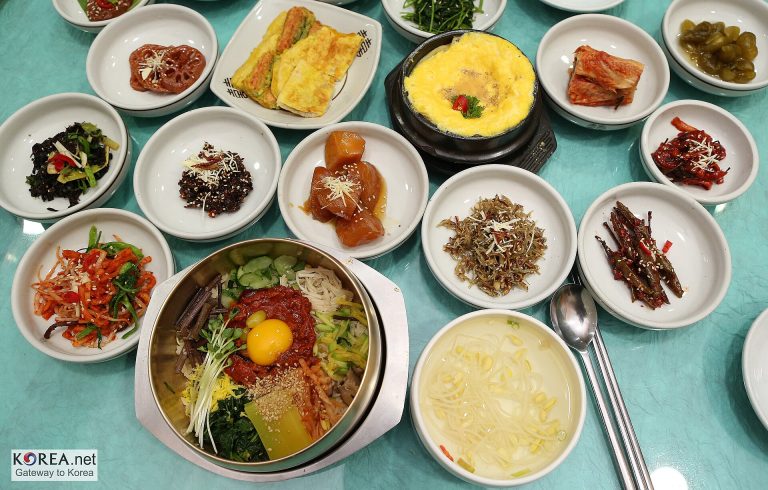 ?
?A Korean table often places several banchan around a shared meal, creating variety and turning eating into a communal rhythm.
?In Korean social life, age and seniority can influence language, seating, serving and the way people introduce themselves.