
Why Diwali Lights Matter Beyond Decoration
During Diwali, lamps and lights can symbolize welcome, hope and renewal, but the stories and practices surrounding the festival vary across communities.
Etiquette, meals, celebrations and everyday habits that quietly rewrite what “normal” means.
No country maze. Just stories from across the continent.
Different countries, different customs, one simple feed built for curiosity.
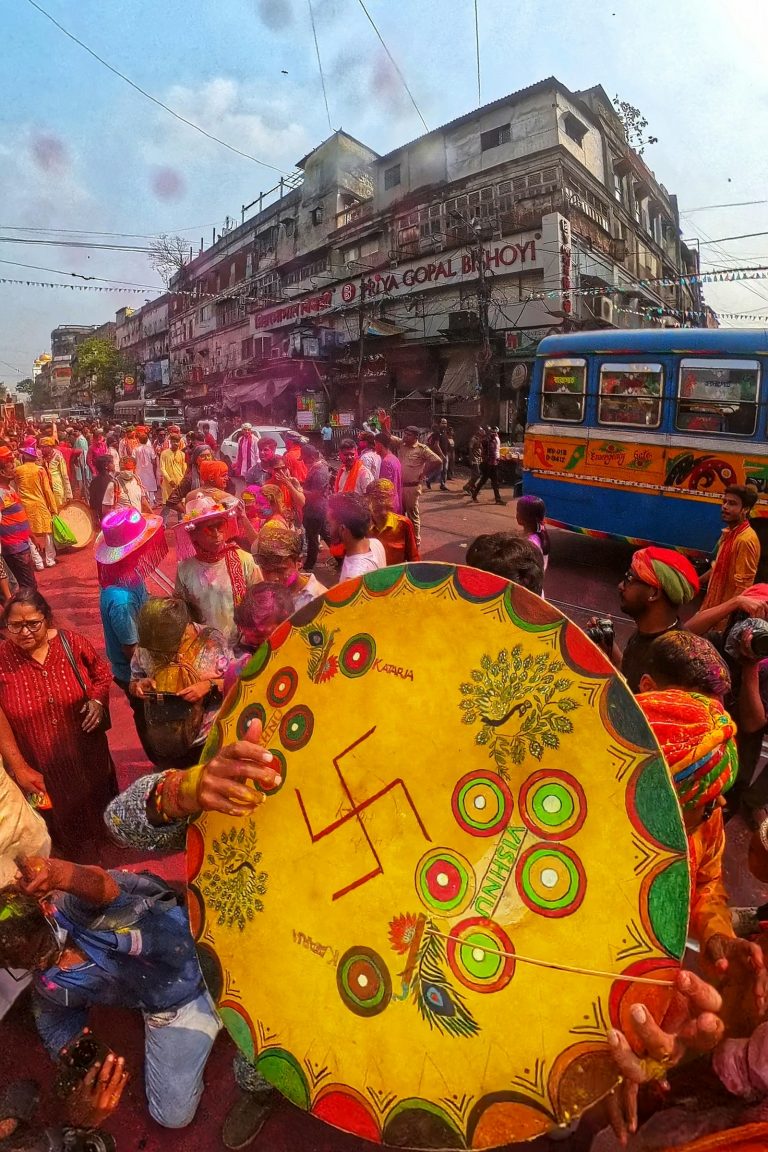
?During Diwali, lamps and lights can symbolize welcome, hope and renewal, but the stories and practices surrounding the festival vary across communities.
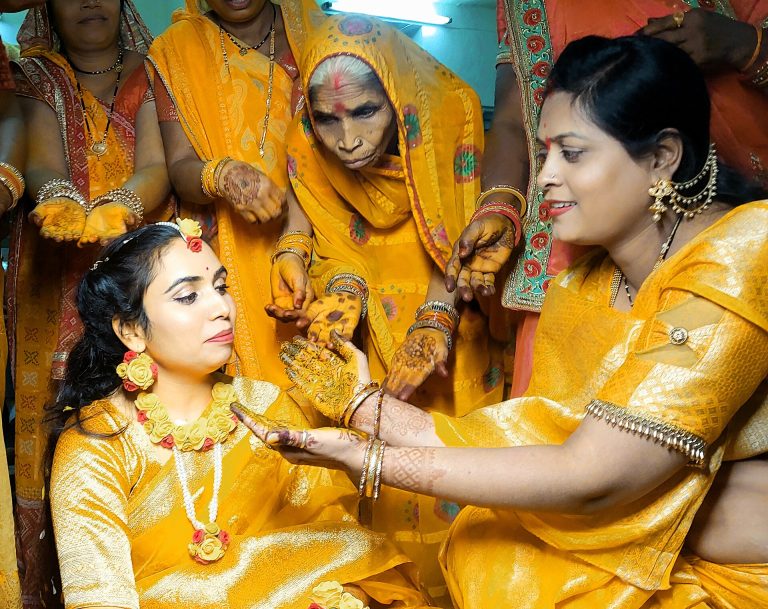 ?
?Many Indian weddings unfold through several ceremonies because marriage joins families, religious traditions and regional customs rather than only two individuals.
 ?
?A seasonal dish can act like an edible calendar, returning once a year with memory attached.
 ?
?Travelers often hear one rigid list of “Gulf rules,” but good etiquette starts by noticing the specific country, setting and people.
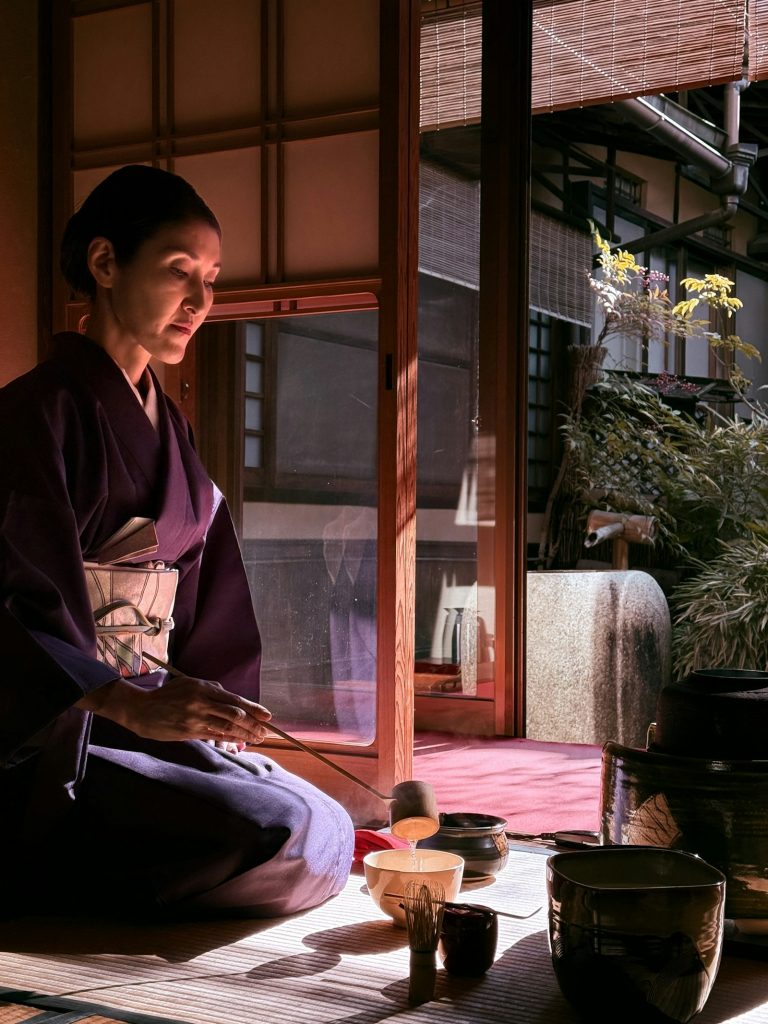 ?
?The small finjan used for Arabic coffee makes sense once the drink is understood as a repeated hospitality ritual rather than one large serving.
 ?
?The majlis is both a physical guest space and a social idea centered on receiving people, conversation and hospitality.
?Ramadan reshapes working hours, dining patterns, traffic and late-night social life across Gulf countries.
?The most useful way to think about clothing in the Gulf is not one universal dress code, but a scale of formality and modesty by place.
?Dates and Arabic coffee form a compact hospitality ritual with deep roots in the Arabian Peninsula.
?Extended-family gatherings remain an important part of social life across much of the Gulf, even in highly modern urban settings.