Why Some Families Scatter Ashes at Sea Instead of Choosing a Grave
For some families in North America, water becomes the memorial place: cremated remains may be scattered at sea or in another meaningful natural setting where law allows.
?For some families in North America, water becomes the memorial place: cremated remains may be scattered at sea or in another meaningful natural setting where law allows.
?Natural or green burial aims to reduce materials and preserve a closer relationship between burial ground, soil and landscape.
 ?
?Across the Andes, archaeology shows that some societies preserved the dead and created powerful relationships between ancestors, landscape and community memory.
 ?
?Archaeological burials across parts of South America contain vessels, textiles, food offerings and personal objects that reveal ideas about status, memory and the afterlife.
?In parts of the Andes, cemetery visits can involve food, flowers, music and long family gatherings that keep remembrance connected to ordinary social life.
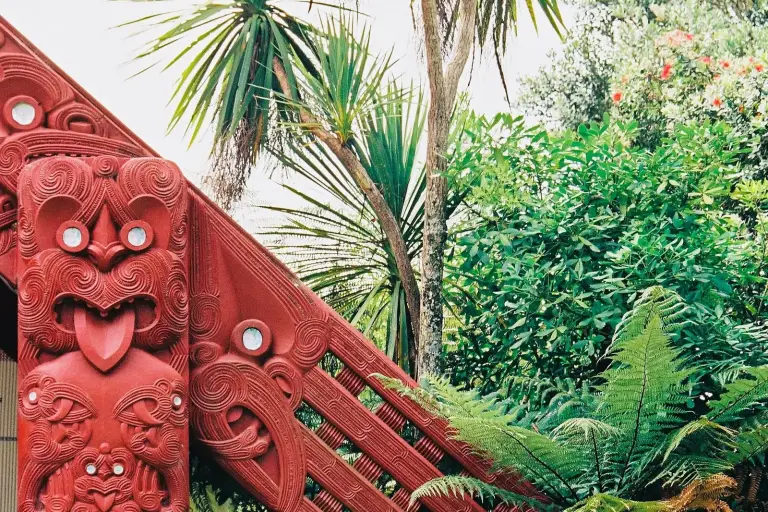 ?
?Tangihanga, or tangi, is an enduring Māori ceremony of mourning in which family, genealogy, speech, song and collective presence are central.
?Across parts of the Pacific, food, exchange and large family gatherings can become major parts of mourning and remembrance.
 ?
?In parts of Madagascar, famadihana is a periodic family remembrance tradition centered on ancestors, kinship and the family tomb.
?Across island societies and coastal communities, the sea can hold deep meanings of ancestry, livelihood, travel and remembrance.
 ?
?In many West African communities, a funeral can be a large public gathering where family reputation, music, clothing, faith and community support meet.