
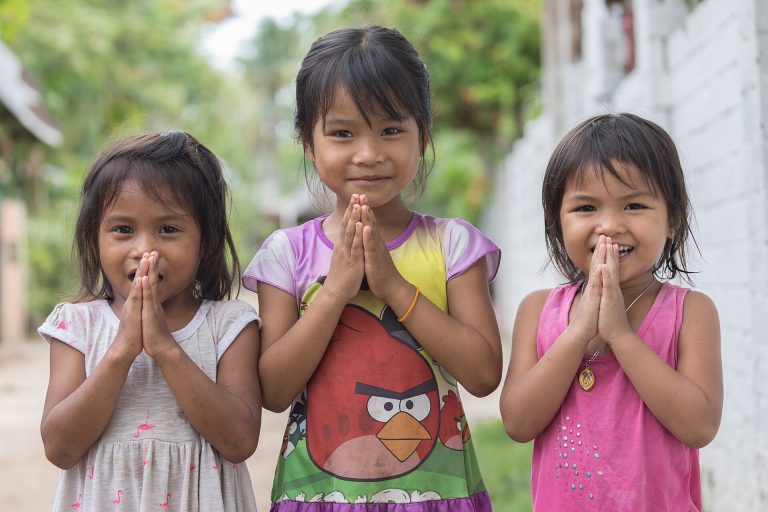
Why the Thai Wai Greeting Changes With Context
The Thai wai combines palms and a bow-like movement, but its use depends on age, status, setting and the relationship between people.
?The Thai wai combines palms and a bow-like movement, but its use depends on age, status, setting and the relationship between people.
 ?
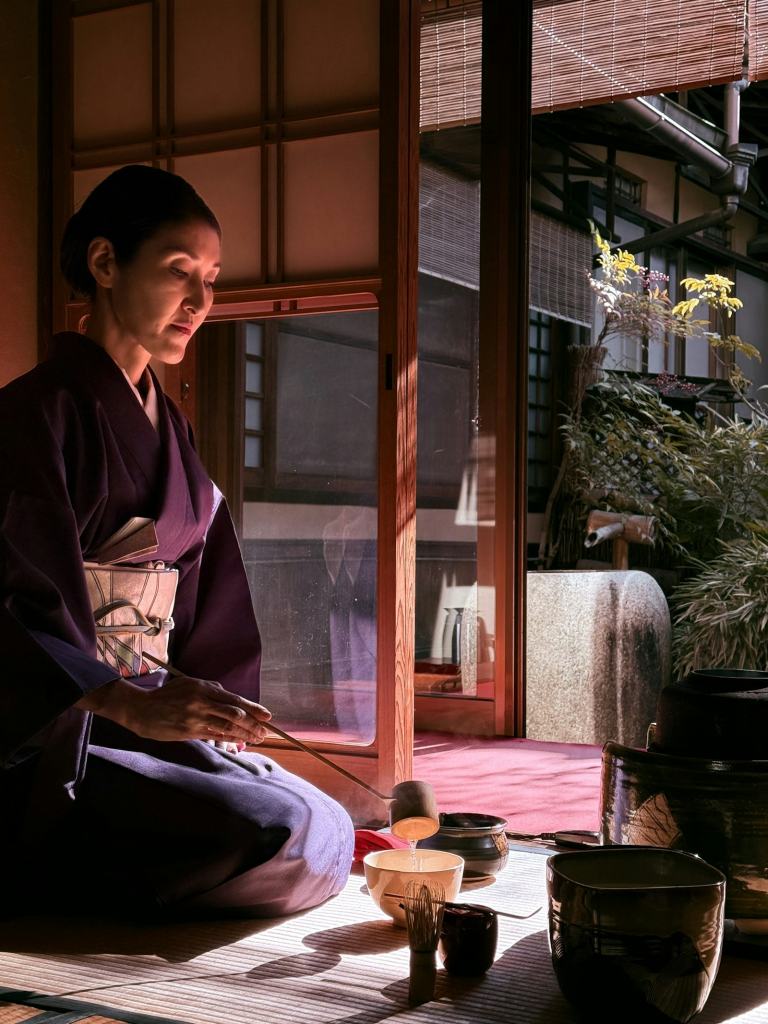
?The entryway of a Japanese home is more than a place to leave shoes; it marks a practical and social boundary between outside and inside.
 ?
?Bowing in Japan can express greeting, thanks, apology, respect or formality, and the meaning depends on the relationship and setting.
 ?
?In Korean social life, age and seniority can influence language, seating, serving and the way people introduce themselves.
 ?
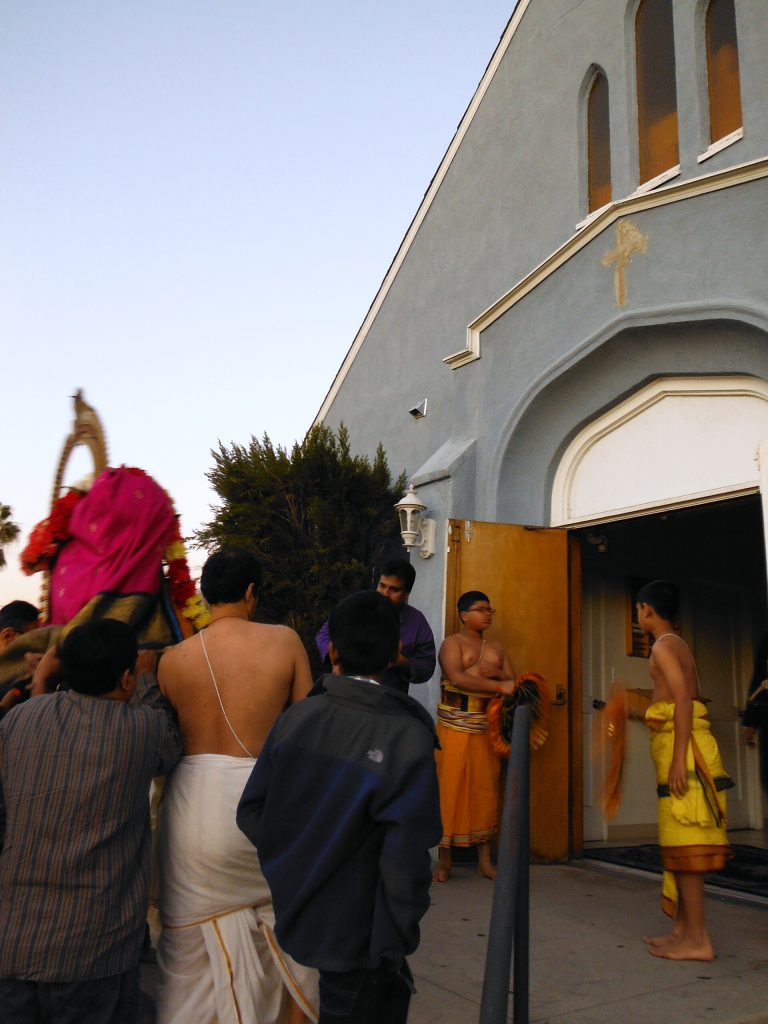
?A quick comment about the weather, the line you are standing in, or the place you are visiting can function as a tiny social bridge in the United States.
 ?
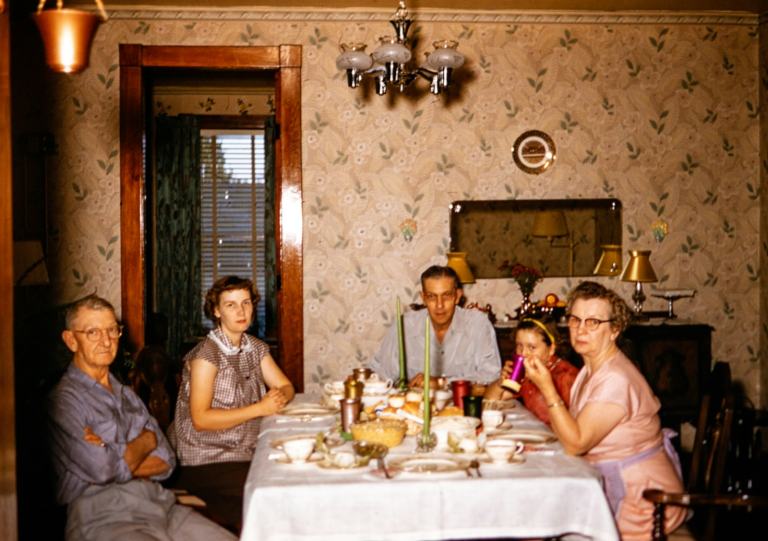
?A gift can communicate respect, affection, gratitude or obligation, and the rules around it vary.
 ?
?In many homes, the doorway marks a cultural boundary between the outside world and private space.