Why Age Can Shape Everyday Korean Etiquette
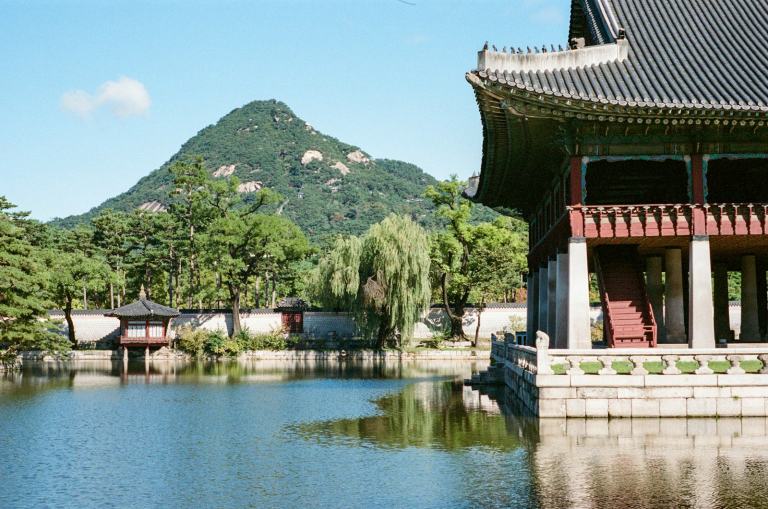
In Korean social life, age and seniority can influence language, seating, serving and the way people introduce themselves.
?In Korean social life, age and seniority can influence language, seating, serving and the way people introduce themselves.
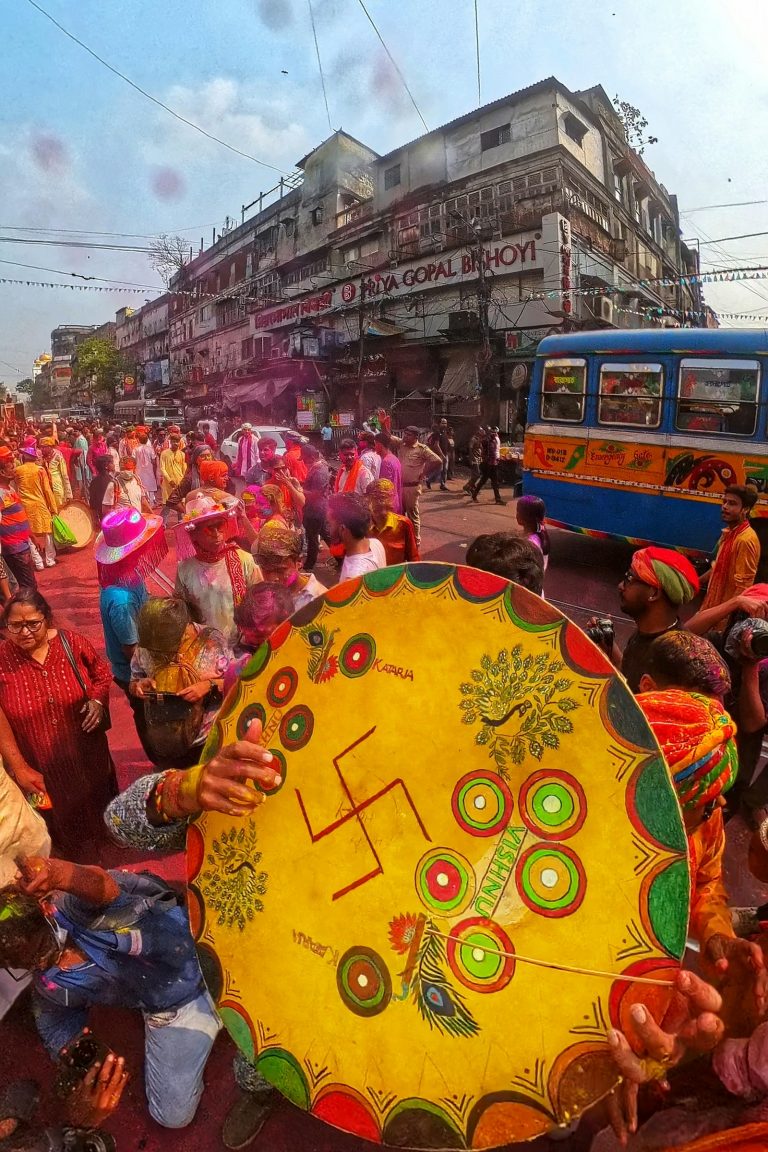 ?
?Holi is famous for clouds of color, but the festival has regional, religious and social meanings that extend far beyond the most photographed moment.
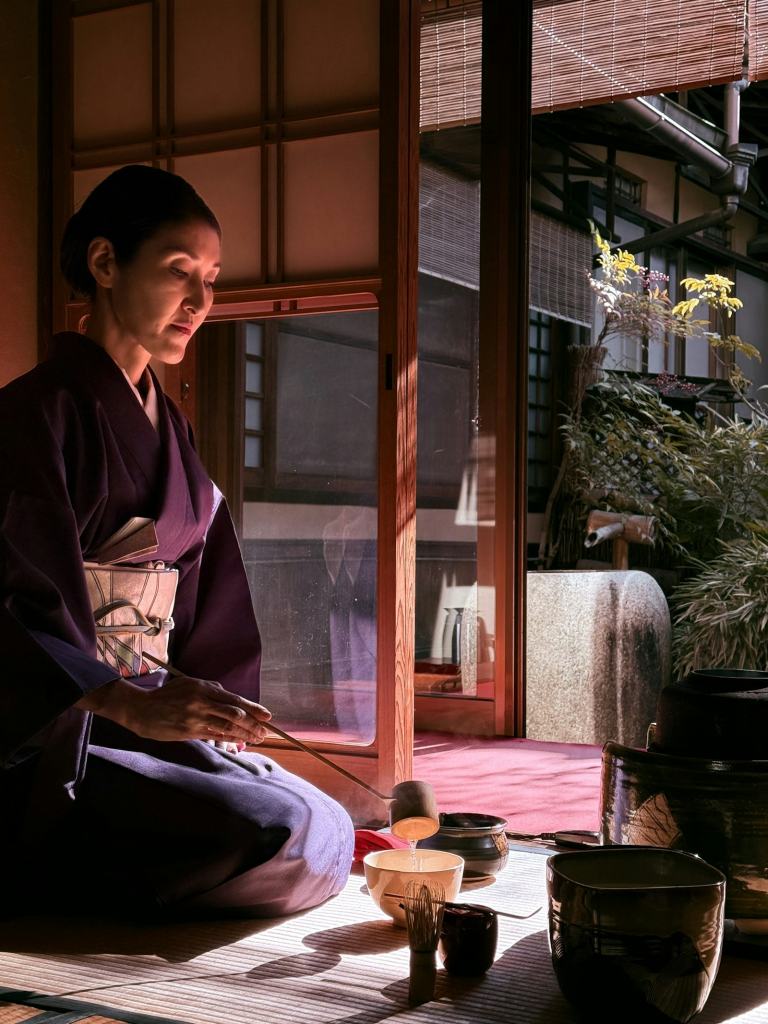 ?
?During Diwali, lamps and lights can symbolize welcome, hope and renewal, but the stories and practices surrounding the festival vary across communities.
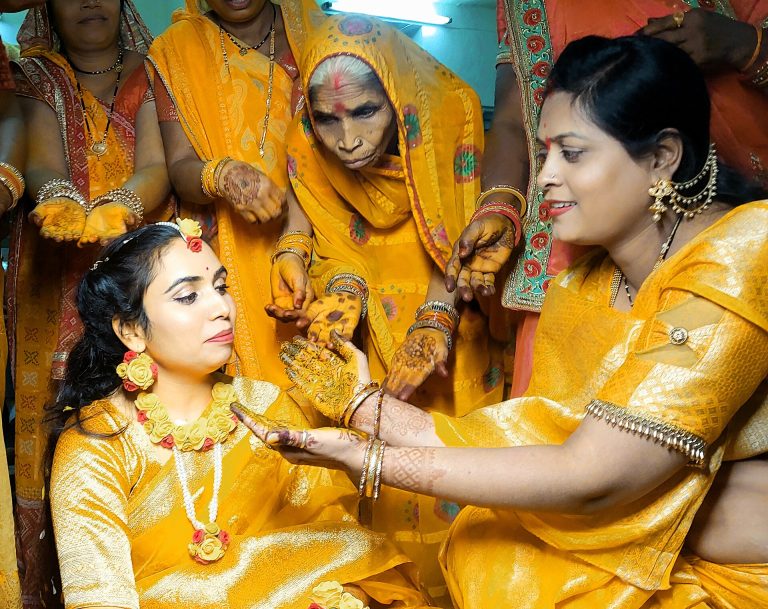 ?
?Many Indian weddings unfold through several ceremonies because marriage joins families, religious traditions and regional customs rather than only two individuals.
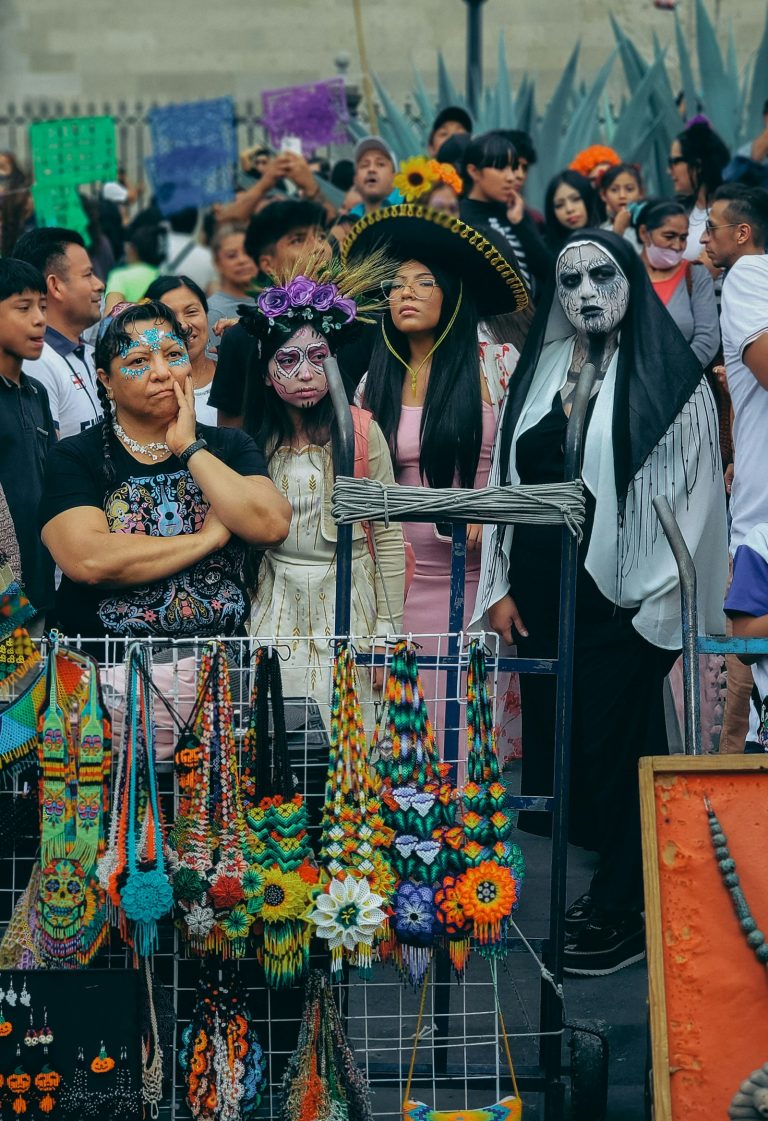 ?
?Mexico’s Día de los Muertos centers remembrance of people who have died, using food, flowers, photographs and visits to keep memory present.
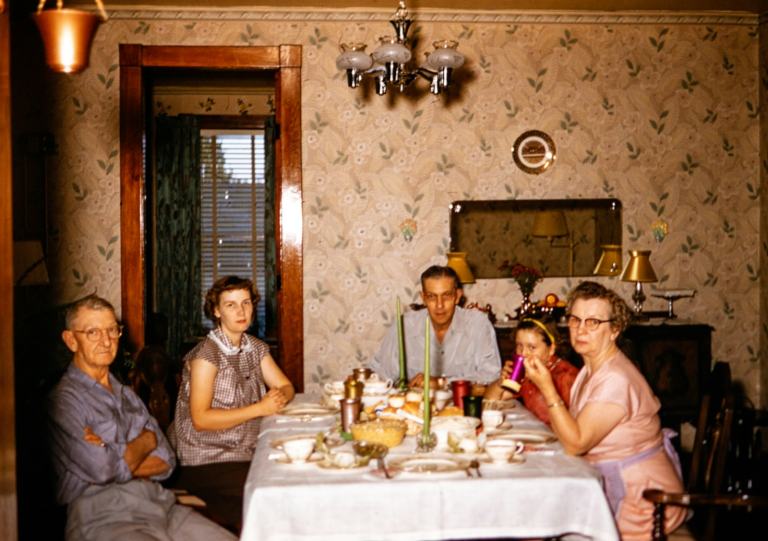 ?
?Across many Mexican meals, tortillas are a staple, utensil, wrapper and regional food tradition all at once.
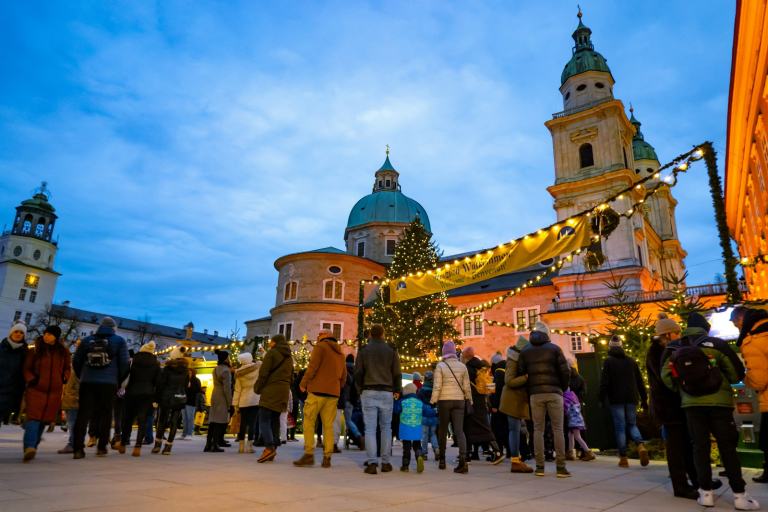 ?
?Italian aperitivo is not simply a discount drink hour; it is a social pause between work and dinner built around conversation and small bites.
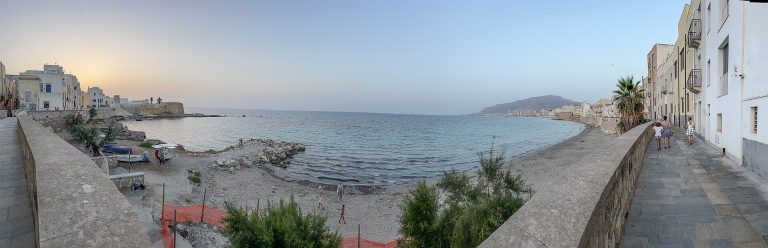 ?
?The passeggiata is an evening walk that can turn a street or town square into a social stage where people meet, observe and reconnect.
?Late dinner times in Spain make more sense when seen alongside work schedules, long summer evenings, lunch traditions and the rhythm of social life.
?In Finland, sauna can be a routine part of home life, relaxation and social connection rather than an occasional luxury spa treatment.