
Why Sharing Food Is Central to Egyptian Hospitality
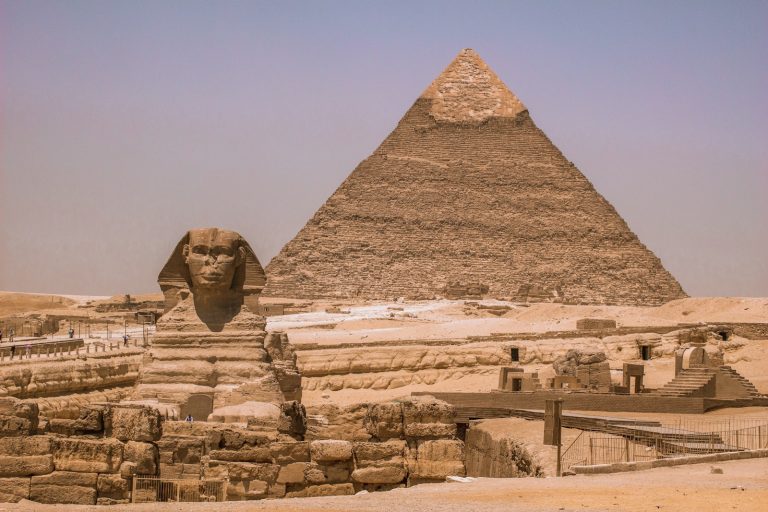
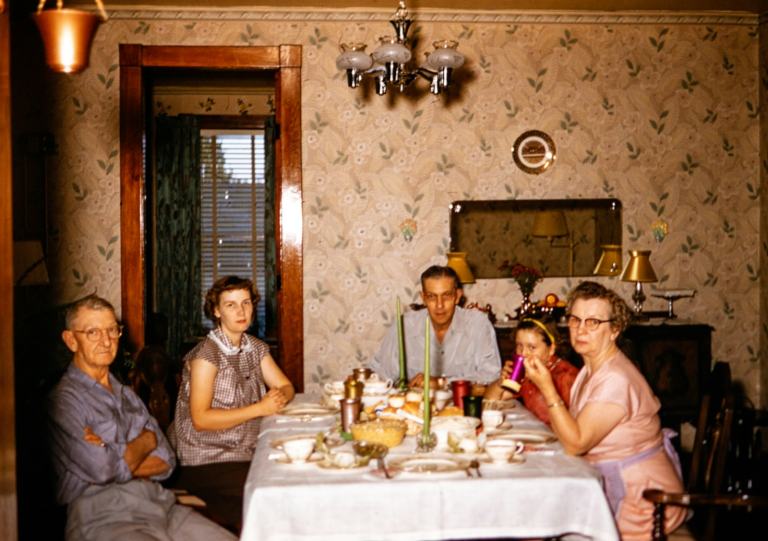
A shared Egyptian table often communicates relationship as much as appetite.
?A shared Egyptian table often communicates relationship as much as appetite.
 ?
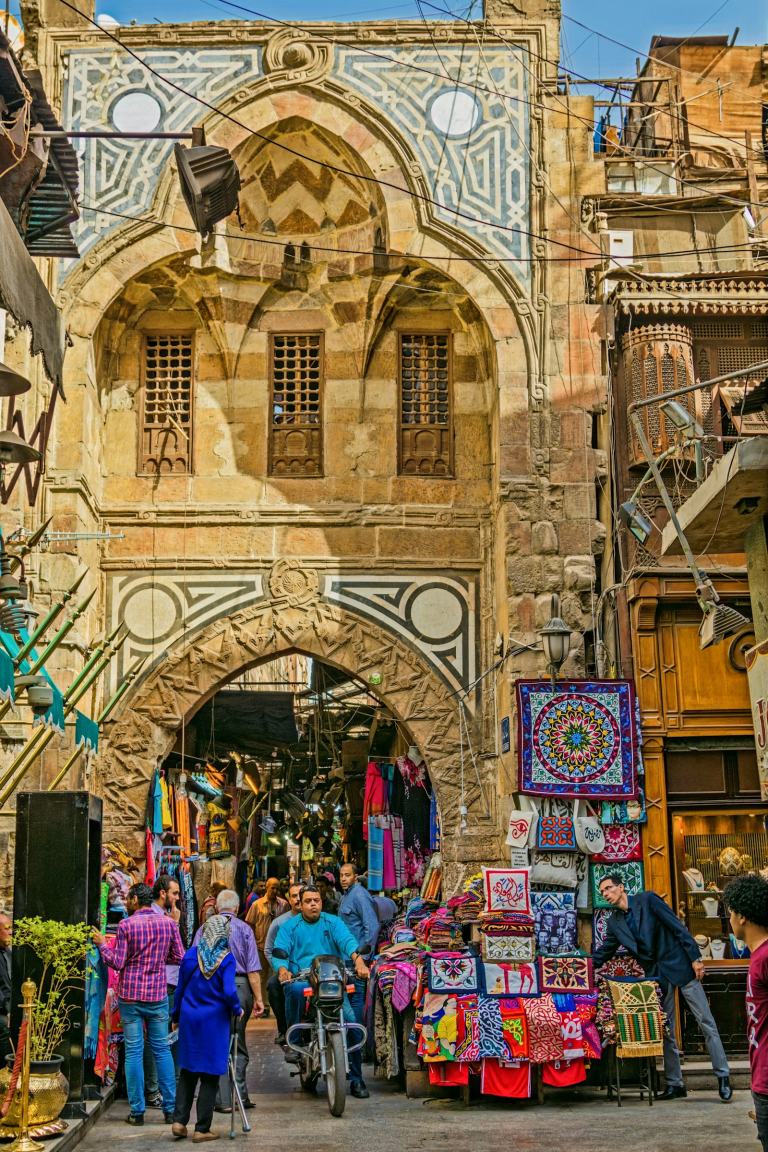
?Egyptian cafés can function as neighborhood living rooms, meeting points and places to watch daily life unfold.
?Some of Egypt’s most culturally revealing foods are not banquet dishes but inexpensive breakfasts eaten before work, school or a busy day.
 ?
?Colorful Ramadan lanterns are among the most recognizable seasonal images in Egypt, especially in the weeks leading into the holy month.
 ?
?Eid can compress prayer, new clothes, food, visiting and family obligations into one highly social morning.
 ?
?Travelers often hear one rigid list of “Gulf rules,” but good etiquette starts by noticing the specific country, setting and people.
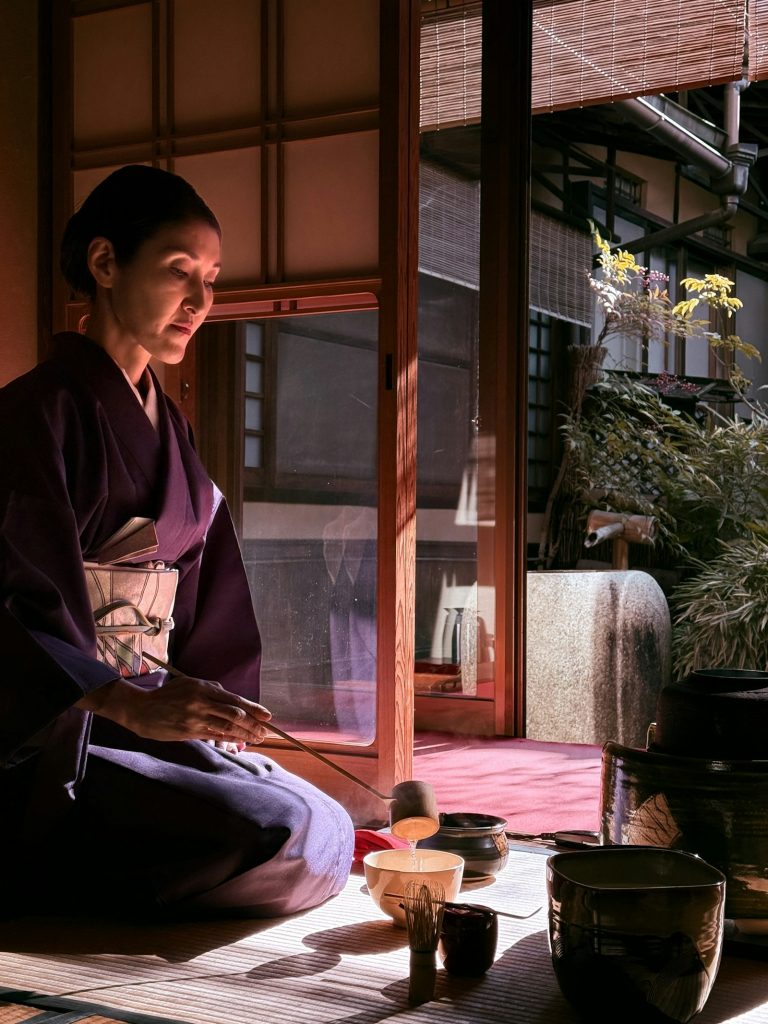 ?
?The small finjan used for Arabic coffee makes sense once the drink is understood as a repeated hospitality ritual rather than one large serving.
 ?
?The majlis is both a physical guest space and a social idea centered on receiving people, conversation and hospitality.
 ?
?Ramadan reshapes working hours, dining patterns, traffic and late-night social life across Gulf countries.
?The most useful way to think about clothing in the Gulf is not one universal dress code, but a scale of formality and modesty by place.