What a Japanese Tea Ceremony Is Really About
Japanese tea ceremony turns the preparation of matcha into a carefully structured encounter shaped by attention, season and hospitality.
Traditions, food rituals, etiquette, celebrations and the details that make ordinary life fascinating.
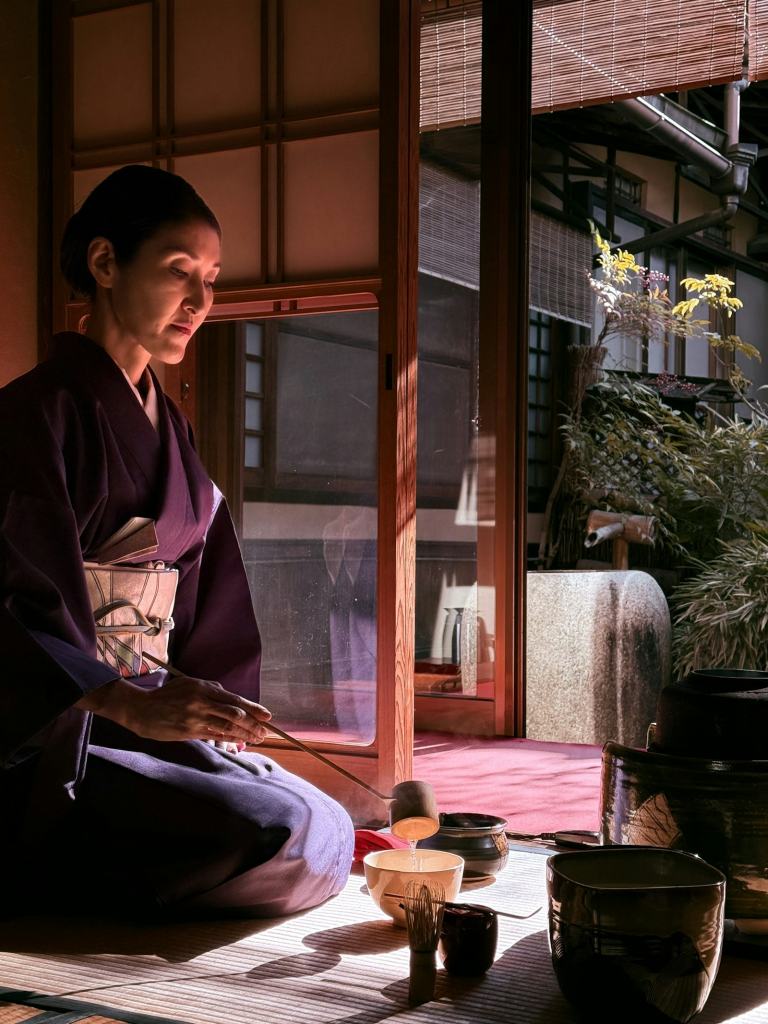
?Japanese tea ceremony turns the preparation of matcha into a carefully structured encounter shaped by attention, season and hospitality.
 ?
?Bowing in Japan can express greeting, thanks, apology, respect or formality, and the meaning depends on the relationship and setting.
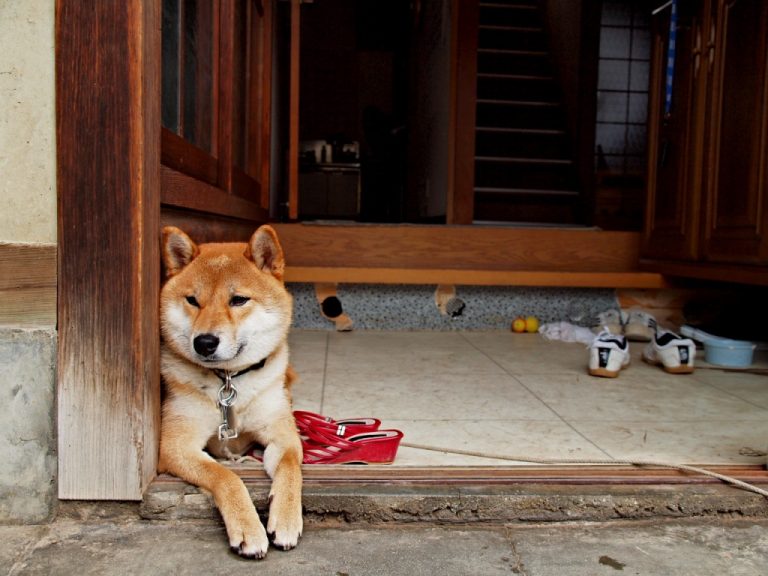 ?
?The entryway of a Japanese home is more than a place to leave shoes; it marks a practical and social boundary between outside and inside.
 ?
?In some New Zealand settings, going barefoot can feel far more ordinary than visitors from other countries expect.
?Across several Pacific cultures, kava can be part of ceremony, welcome and social gathering, but the rules and meanings differ from island to island.
 ?
?A Welcome to Country is a living cultural protocol connected to Country, Traditional Owners and the continuing presence of Aboriginal and Torres Strait Islander peoples.
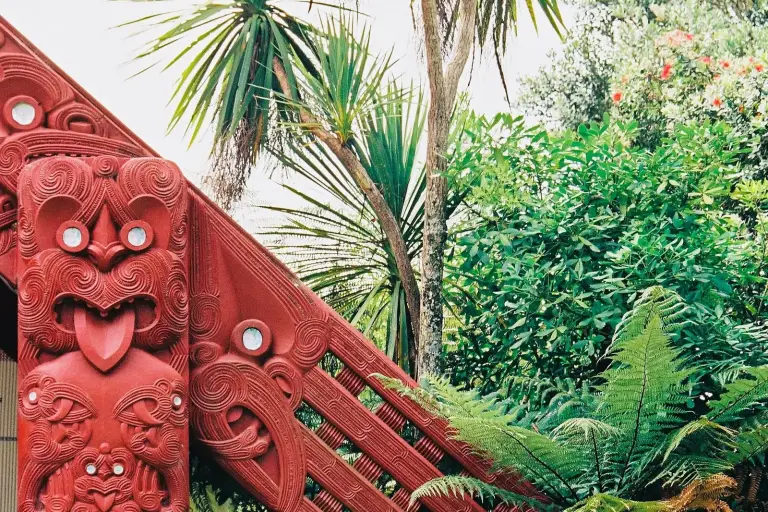
?The hongi can express connection and shared presence in Māori ceremonial contexts, but it is not a casual gesture for visitors to copy without invitation.
 ?
?When conversation, food and extended family are central to a gathering, the clock may feel less important than the people in the room.
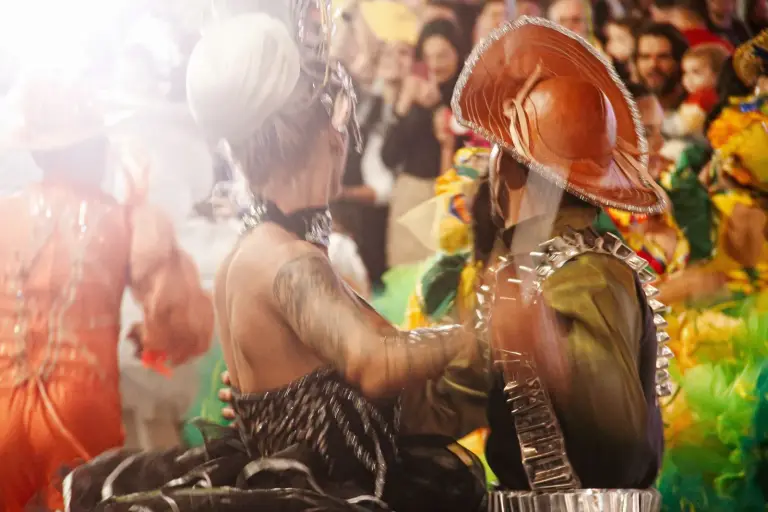
?“Brazilian Carnival” is not one single celebration: cities and regions build very different traditions around music, neighborhood, religion and performance.
?A weekend meal can become a long social event when the point is not only eating, but staying together.