
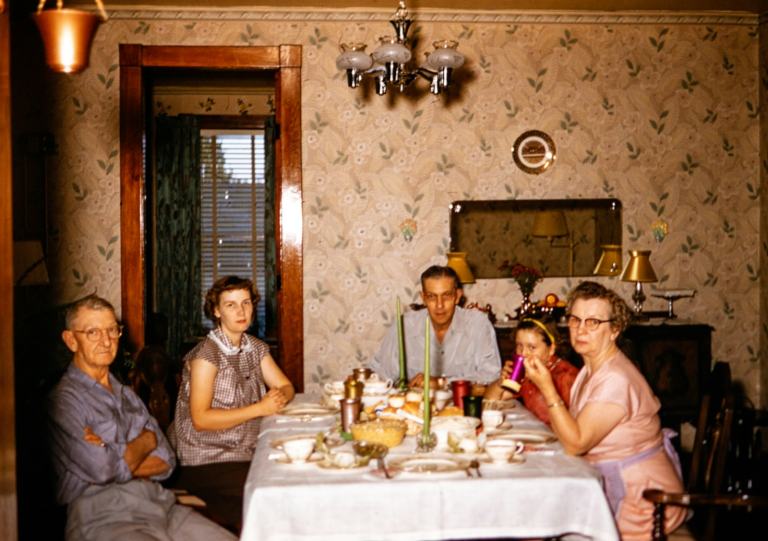
Why Injera Changes the Way an Ethiopian Meal Is Shared
Injera functions as bread, base and utensil in many Ethiopian and Eritrean meals, encouraging a style of eating built around shared dishes.
The stories behind meals, drinks, ingredients and table customs around the world.
?Injera functions as bread, base and utensil in many Ethiopian and Eritrean meals, encouraging a style of eating built around shared dishes.
 ?
?Mate is both a caffeinated infusion and a social routine, often passed between people from a shared gourd according to an informal rhythm.
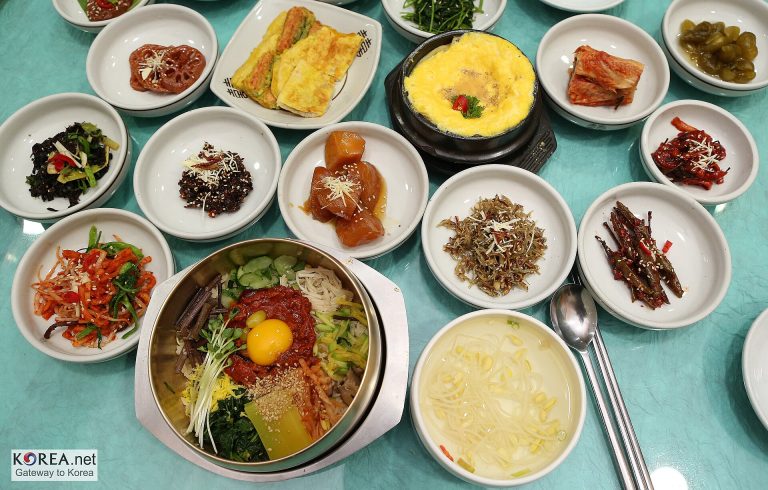 ?
?A Korean table often places several banchan around a shared meal, creating variety and turning eating into a communal rhythm.
?Across many Mexican meals, tortillas are a staple, utensil, wrapper and regional food tradition all at once.
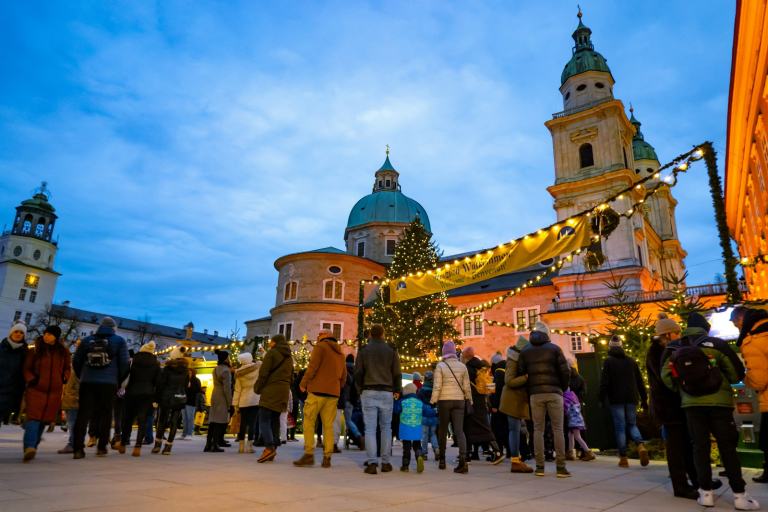 ?
?Italian aperitivo is not simply a discount drink hour; it is a social pause between work and dinner built around conversation and small bites.
?Late dinner times in Spain make more sense when seen alongside work schedules, long summer evenings, lunch traditions and the rhythm of social life.
 ?
?An Ethiopian coffee ceremony can turn coffee preparation into extended hospitality, using roasting, aroma, serving and conversation to slow the visit down.
?A weekend meal can become a long social event when the point is not only eating, but staying together.
 ?
?Across several Pacific cultures, kava can be part of ceremony, welcome and social gathering, but the rules and meanings differ from island to island.
 ?
?In many places, bread is a utensil, a symbol of hospitality and the center of the meal.