
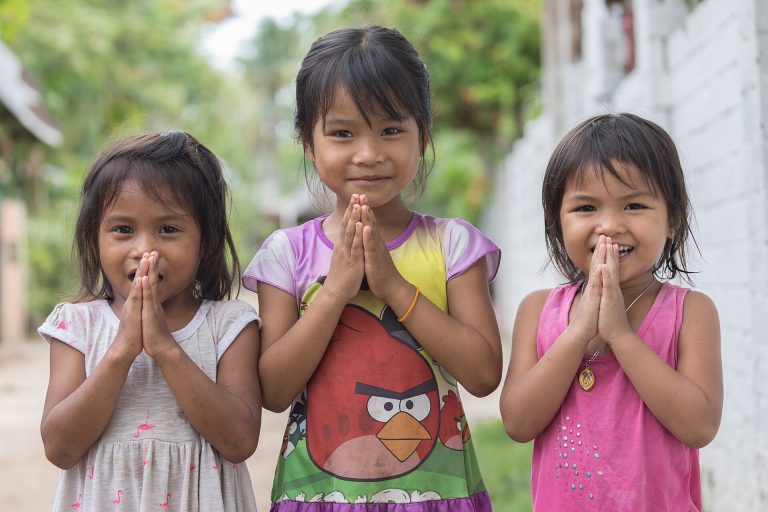
Why the Thai Wai Greeting Changes With Context
The Thai wai combines palms and a bow-like movement, but its use depends on age, status, setting and the relationship between people.
How respect, greetings, time, gifts and social signals change from place to place.
?The Thai wai combines palms and a bow-like movement, but its use depends on age, status, setting and the relationship between people.
 ?
?The entryway of a Japanese home is more than a place to leave shoes; it marks a practical and social boundary between outside and inside.
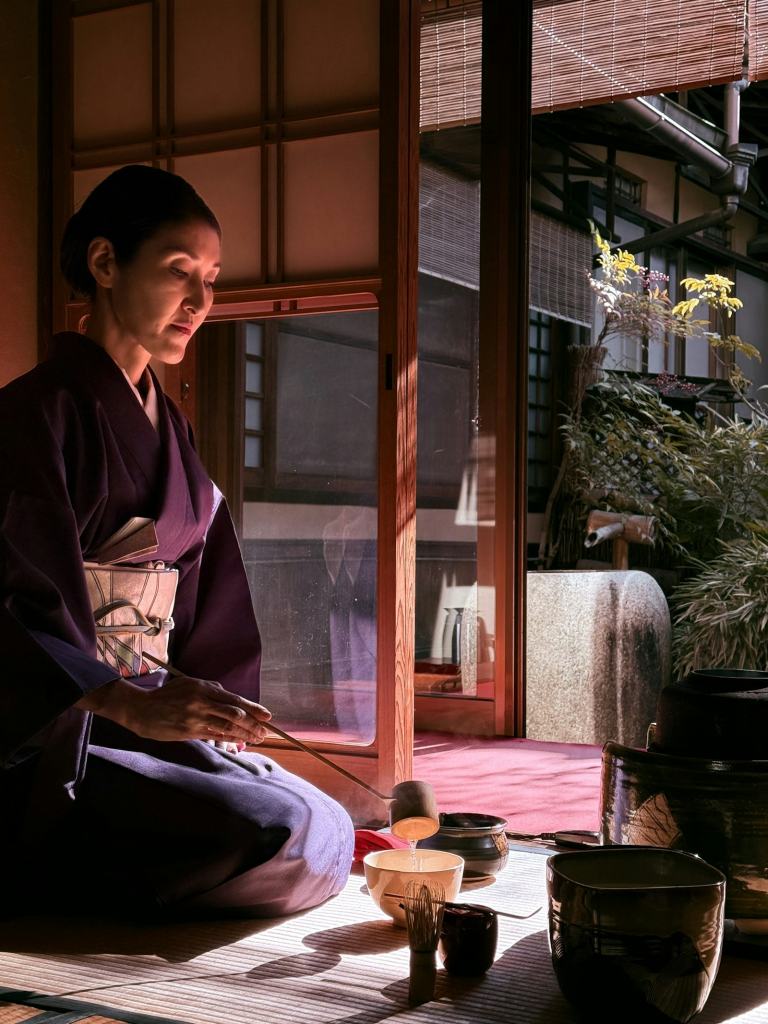 ?
?Bowing in Japan can express greeting, thanks, apology, respect or formality, and the meaning depends on the relationship and setting.
 ?
?In Korean social life, age and seniority can influence language, seating, serving and the way people introduce themselves.
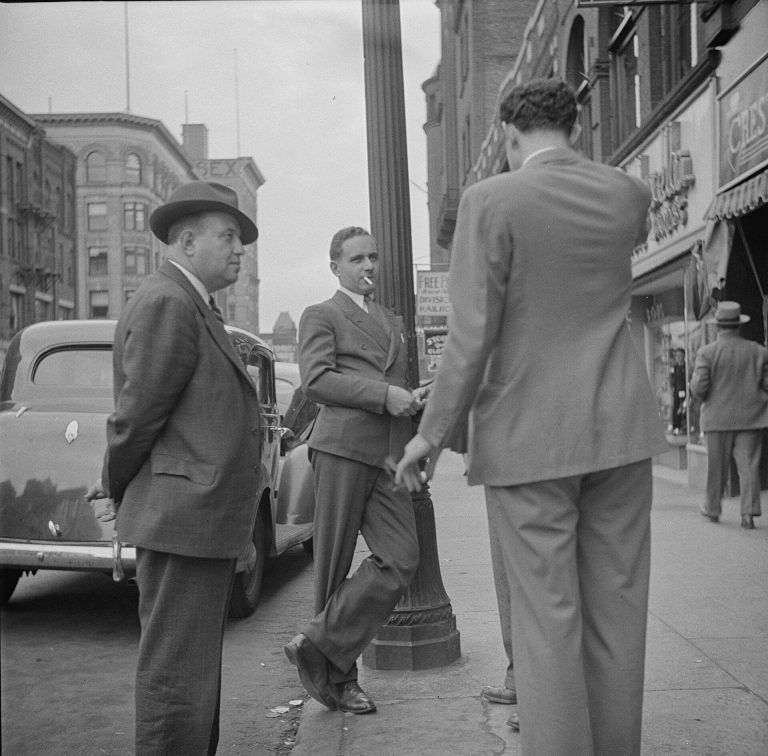 ?
?A quick comment about the weather, the line you are standing in, or the place you are visiting can function as a tiny social bridge in the United States.
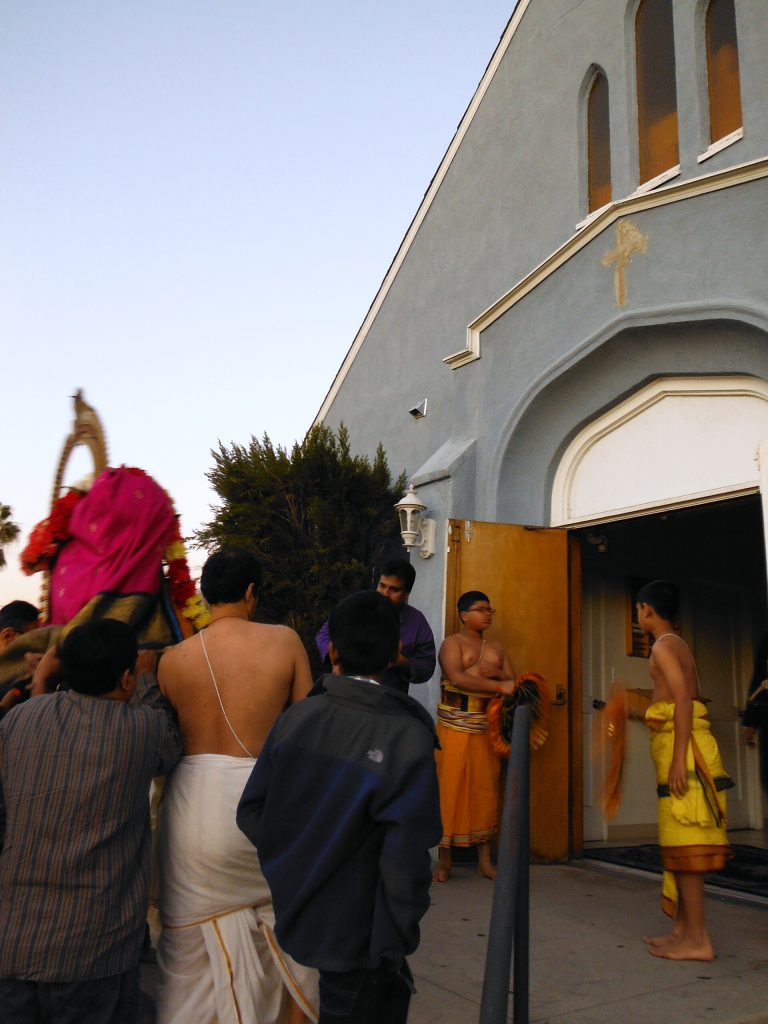 ?
?A gift can communicate respect, affection, gratitude or obligation, and the rules around it vary.
 ?
?Travelers often hear one rigid list of “Gulf rules,” but good etiquette starts by noticing the specific country, setting and people.
?The most useful way to think about clothing in the Gulf is not one universal dress code, but a scale of formality and modesty by place.
 ?
?In many homes, the doorway marks a cultural boundary between the outside world and private space.
?Egyptian social life can feel immediately warm, expressive and conversational, but context still matters.